
 English
 русский
 Español
 Indonesia
 Tiếng Việt
 Current Location:
Categories
Hot News
-

Single Girder vs. Double Girder Overhead Crane: How to Choose the Right One?
-
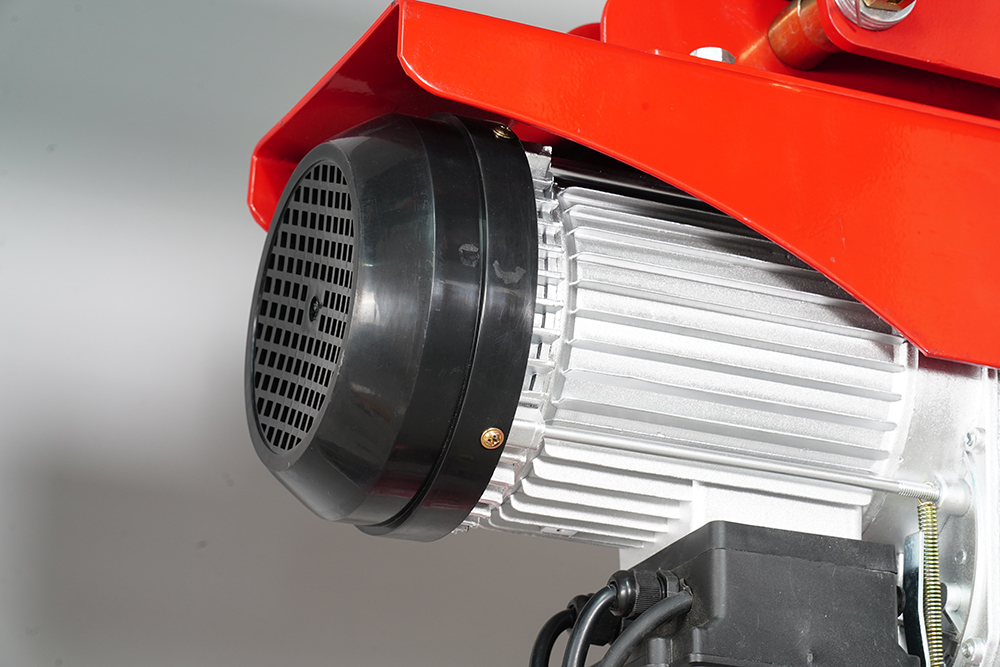
Electric hoist professional selection guide: core parameters, application scenarios and safety norms analysis
-
Electric hoist professional selection guide: core parameters, application scenarios and safety norms analysis
-
Electric hoist professional selection guide: core parameters, application scenarios and safety norms analysis

Online consulting
If you have any questions, please contact our online customer service staff immediately
Single Girder vs. Double Girder Overhead Crane: How to Choose the Right One?
 Click:365
  Time:2026-01-04 00:35:41
When it comes to optimizing material handling in your warehouse or factory, choosing the right overhead crane is a critical decision. The most common debate is: Should you invest in a single girder or a double girder overhead crane?
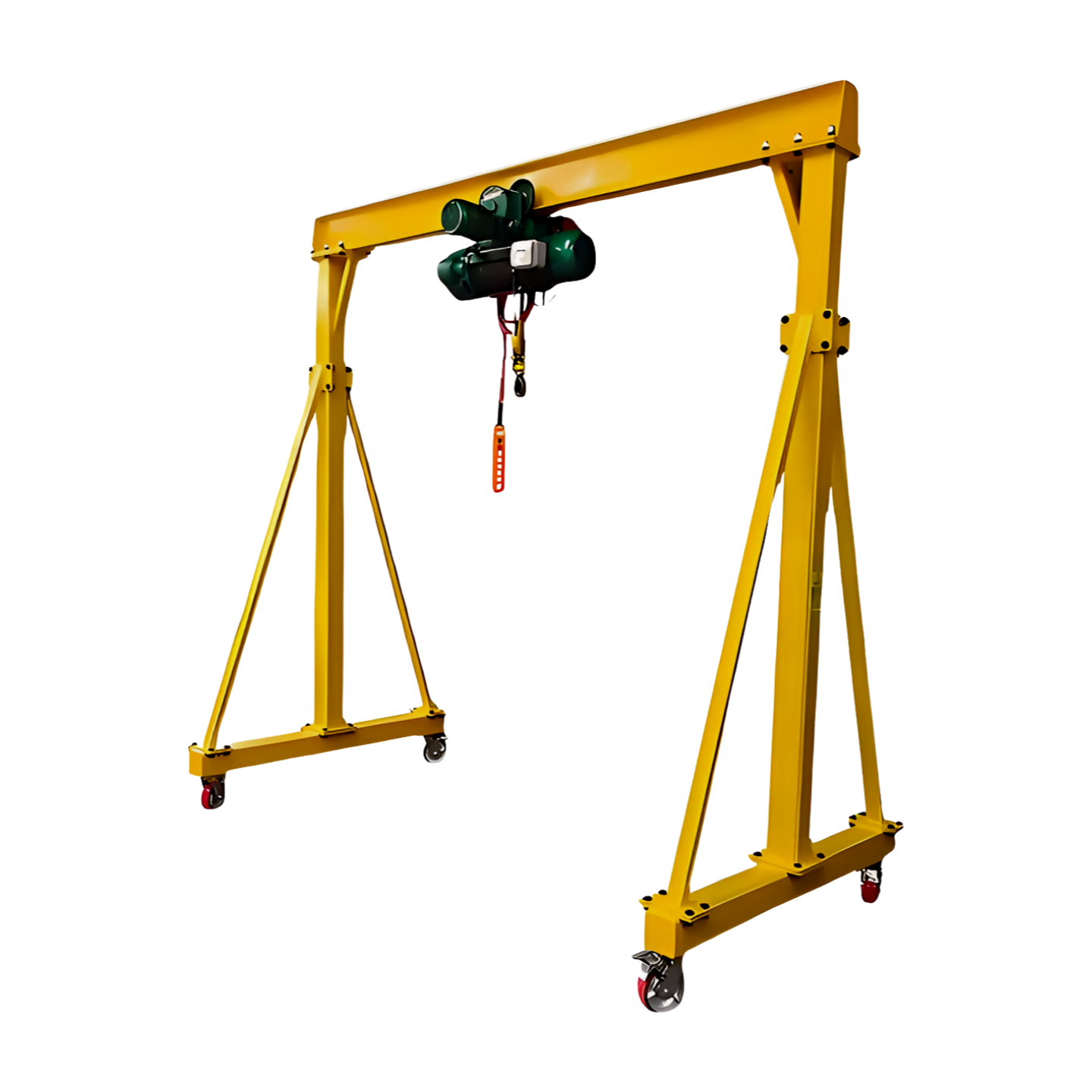
While both serve the same purpose—lifting and moving heavy loads—they differ significantly in construction, cost, and performance. In this guide, we will break down the key differences to help you make an informed choice.
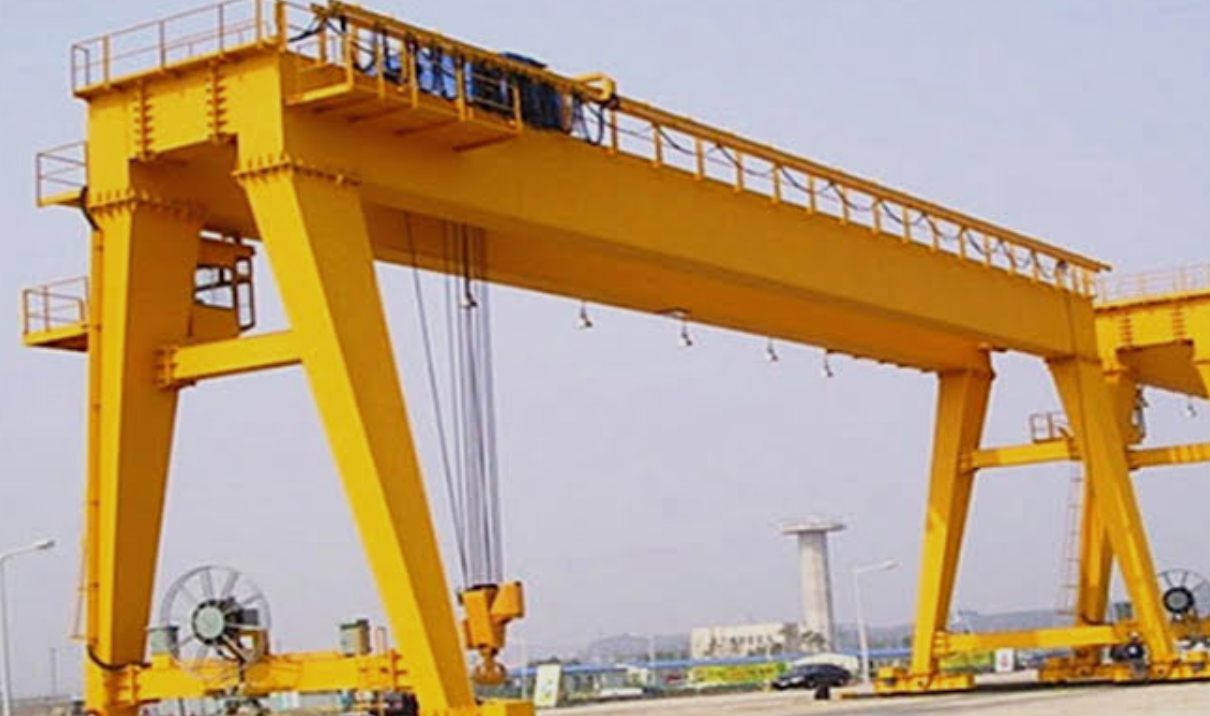
Choose a Double Girder Crane if: You need to lift over 20 tons, require high-speed operation, need maximum lifting height, or work in harsh industrial environments.
Need a Professional Recommendation? Contact MKhoist Experts Today for a free consultation and quote on your next overhead crane project.
While both serve the same purpose—lifting and moving heavy loads—they differ significantly in construction, cost, and performance. In this guide, we will break down the key differences to help you make an informed choice.
1. What is a Single Girder Overhead Crane?
A single girder crane consists of one bridge beam supported by two end trucks. The trolley and hoist run on the bottom flange of the bridge girder.- Best for: Light to moderate loads (typically 1 to 20 tons).
- Pros: Lower cost, faster installation, and lighter deadweight.
- Cons: Limited lifting height and lower duty group.
2. What is a Double Girder Overhead Crane?
A double girder crane features two bridge beams. The trolley and hoist travel on rails usually mounted to the top of the bridge girders.- Best for: Heavy-duty applications (20 to 500+ tons).
- Pros: Better lifting height, higher duty cycles (A5-A8), and extremely durable.
- Cons: Higher initial investment and heavier structure.
3. Key Comparison Table
To give you a clearer view, here is a technical comparison:| Feature | Single Girder Crane | Double Girder Crane |
| Load Capacity | Typically up to 20 Tons | Up to 500 Tons or more |
| Span Range | Short to Medium | Long spans (over 30m) |
| Lifting Height | Limited (Hoist is below beam) | Higher (Hook can travel between beams) |
| Duty Group | A3 - A4 | A5 - A8 (Heavy Duty) |
| Installation Cost | Lower | Higher |
| Maintenance | Easier / Simpler | More complex but durable |
4. Critical Factors to Consider
A. Headroom and Lifting Height
If your workshop has low ceilings but you need maximum hook height, a double girder crane is often the better choice. Because the hoist is placed between or on top of the girders, you gain extra vertical space compared to a single girder design where the hoist hangs below.B. Duty Cycle (Frequency of Use)
How often will the crane be running? If you are moving loads occasionally throughout the shift, a single girder crane is sufficient. However, for continuous, high-speed operations like in steel mills or heavy manufacturing, the double girder crane is built to withstand the wear and tear.C. Budget vs. Long-term Value
A single girder crane is more budget-friendly initially. However, if your business plans to scale up or handle heavier materials in the future, investing in a double girder crane now can save you the cost of a complete system replacement later.5. Which One Should You Choose?
Choose a Single Girder Crane if: Your loads are under 15 tons, your span is modest, and you are looking for a cost-effective solution for standard warehousing.Choose a Double Girder Crane if: You need to lift over 20 tons, require high-speed operation, need maximum lifting height, or work in harsh industrial environments.
Conclusion
Selecting the right overhead crane involves balancing your current needs with your future growth. At MK hoist, we specialize in providing custom-engineered crane solutions tailored to your specific facility requirements.Need a Professional Recommendation? Contact MKhoist Experts Today for a free consultation and quote on your next overhead crane project.
- Previous Article:
- Next Article: Electric hoist professional selection guide: core parameters, application scenarios and safety norms analysis

 Factory Address: Dongl ü industrial Area,Qingyuan District, Baoding City, Hebei Province, China
 Contact number:
 Emall:
  Website:



 Home
Home Whatsapp
 Email
Email
