
 English
 русский
 Español
 Indonesia
 Tiếng Việt
 Current Location:
Categories
Hot News
-
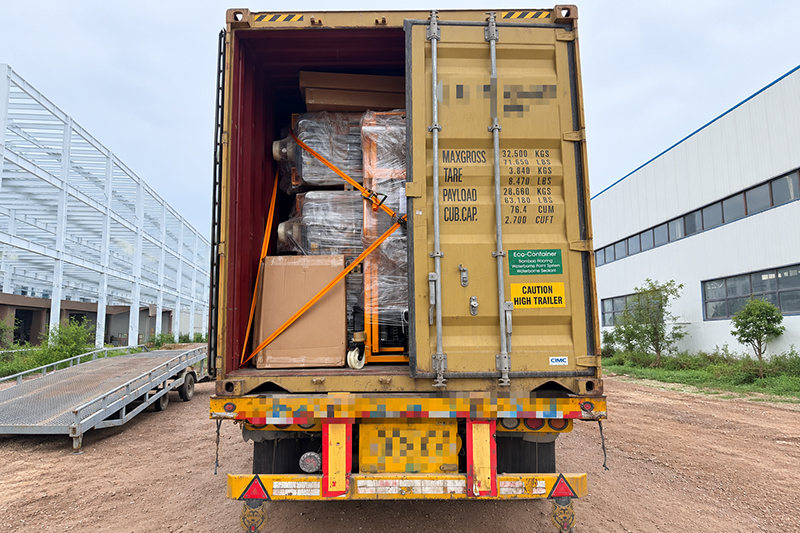
Mixed Loading Material Handling Equipment in One 40HQ Container: A Smarter Way to Reduce Shipping Costs
-
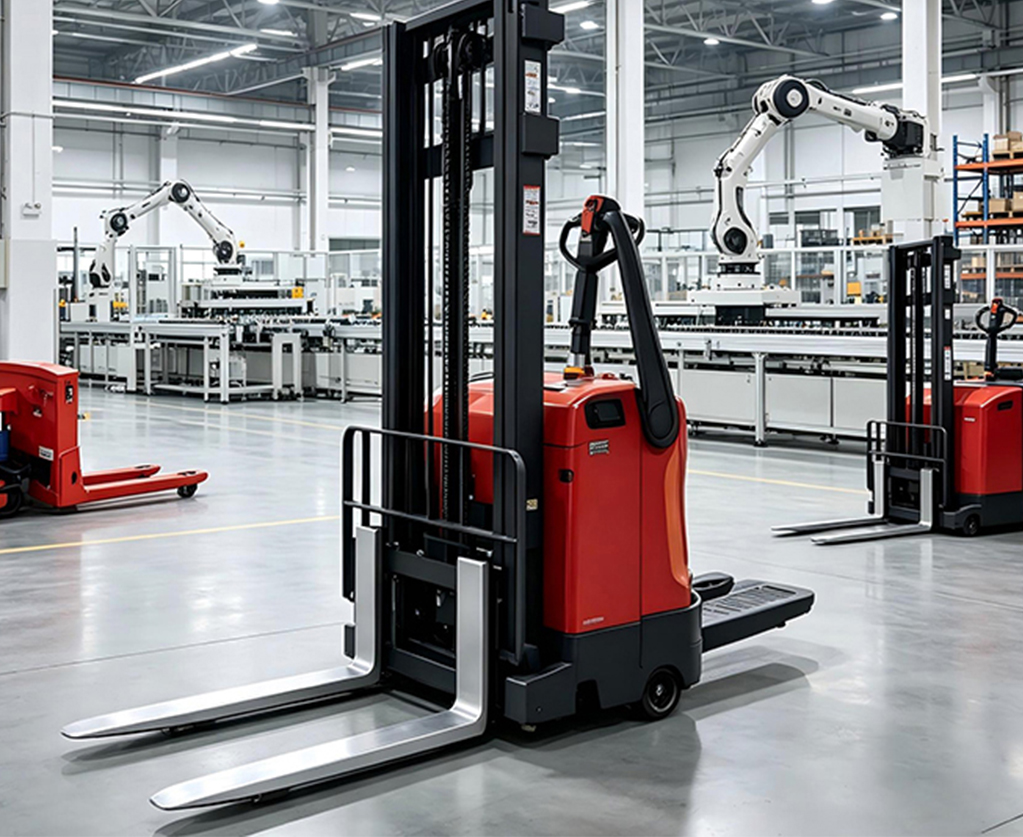
Material Handling Equipment: How to Choose the Right Pallet Truck and Electric Stacker for Your Business
-
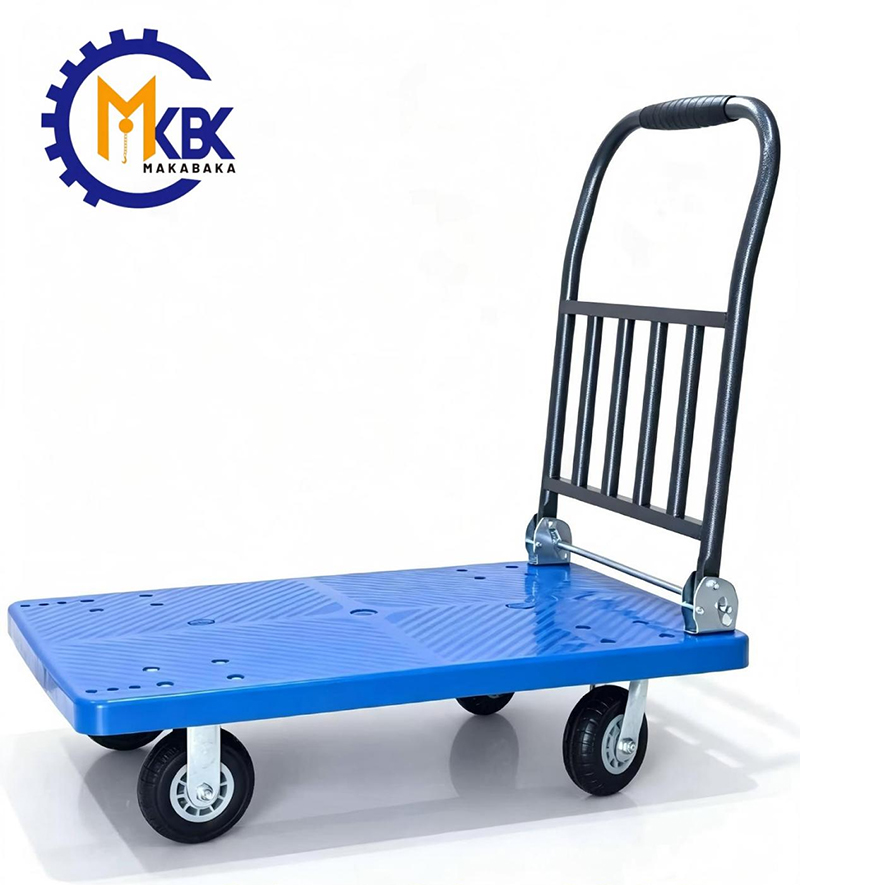
Double Layered Handcart: Why a Simple Two-Level Design Can Make Material Handling Much Easier
-
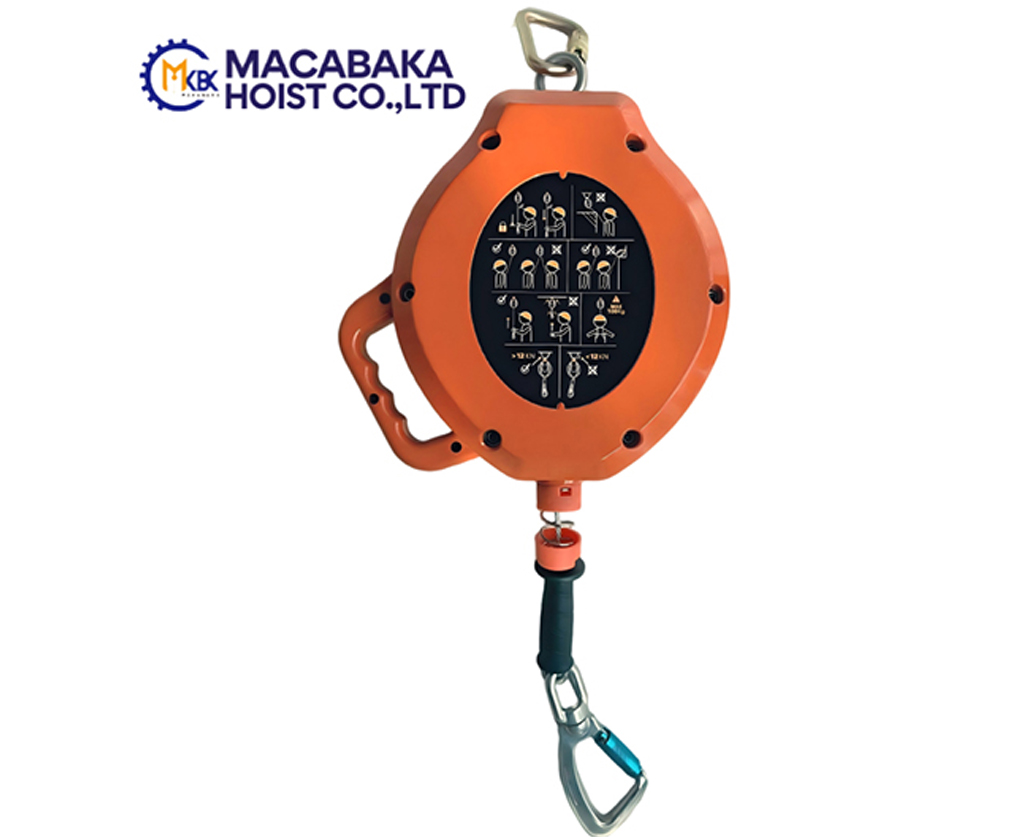
Retractable Lifeline: Small Device, Big Responsibility

Online consulting
If you have any questions, please contact our online customer service staff immediately
Mixed Loading Material Handling Equipment in One 40HQ Container: A Smarter Way to Reduce Shipping Costs
 Click:7
  Time:2026-09-09 16:52:51
Good purchasing is not only about getting a better product price. Sometimes, the real saving starts with how you fill the container.
For many material handling equipment distributors, buying only one product for a full container is not always the best choice.
A customer may need manual pallet trucks for daily warehouse work, manual stackers for lifting pallets, hydraulic lifting tables for assembly or maintenance, and handcarts for moving cartons and smaller goods.
Instead of arranging four separate shipments, these products can often be planned together and loaded into one 40HQ container.
At MKBK, mixed-container loading is one of the practical solutions we provide for customers purchasing different types of material handling equipment.
The goal is simple:
More product categories in one shipment, better use of container space, and lower overall purchasing and transportation costs.
A warehouse equipment dealer may have customers asking for:
· Manual pallet trucks
· Manual stackers
· Hydraulic lifting tables
· Platform handcarts
· Electric pallet trucks
· Electric stackers
· Drum handling equipment
· Other warehouse handling products
The problem is that demand for each model is different.
For example, a distributor may be able to sell pallet trucks quickly but need only a smaller quantity of manual stackers or lifting tables.
Ordering a full container of every model means more inventory, more cash tied up in stock and more pressure on warehouse space.
Mixed loading gives the buyer another option.
Instead of asking:
That is important.
A mixed container should be planned around what the customer can actually sell, rather than simply filling the container with whatever is easiest for the supplier to produce.
We need to consider:
A loading plan that looks efficient at the factory but creates problems when the customer unloads it is not a good loading plan.
This is why we normally calculate the combination before production and final loading.
Suppose Supplier A gives you a slightly lower unit price for pallet trucks, Supplier B gives you stackers, and Supplier C gives you lifting tables.
On paper, each quotation may look attractive.
But then you have to consider:
multiple domestic transportation arrangements,
multiple export shipments,
multiple sets of documents,
different production schedules,
different communication channels,
and possibly several LCL shipments.
The lowest individual product price does not always create the lowest total purchasing cost.
This is especially important for importers and distributors.
A product that is USD 2 cheaper is not really cheaper if inefficient shipping adds another USD 5 to the landed cost.
That is why container utilization matters.
At MKBK, when customers send us their purchasing list, we can look at the order as a complete shipment rather than several unrelated products.
If each quantity is too small for a full container, shipping separately by LCL may increase the transportation cost per unit.
But when the products are combined properly, one 40HQ can carry several categories in the same shipment.
The ocean freight is then shared across more products.
This can help reduce the average logistics cost per product while also allowing the importer to receive a broader product range at one time.
There is another advantage that is often overlooked:
A broader product range can help the distributor respond to different customer inquiries without holding excessive stock of one single model.
Sometimes customers ask:
“Can we add another 20 units?”
Technically, the answer may be yes.
Commercially, however, we also need to ask whether those 20 units are the right products to add.
If one product is already selling slowly in the customer's market, adding more just to use the last bit of container space may not be a good decision.
Sometimes the better choice is to add:
10 hydraulic lifting tables,
some handcarts,
a few manual stackers,
or another fast-moving pallet truck specification.
A well-filled container is good. A well-planned container is better.
That is why MKBK supports customization for many material handling products.
Depending on the model, customers can discuss requirements such as:
capacity,
lifting height,
fork width,
fork length,
wheel material,
platform dimensions,
product color,
logo,
labels,
packing,
and other configuration details.
For distributors developing their own brand, OEM requirements can also be discussed.
The important point is that customization should solve a real market requirement.
We don't recommend changing specifications simply to make a product look different.
If a customer tells us the application, working environment and target market, our engineers can help determine which specifications are worth changing.
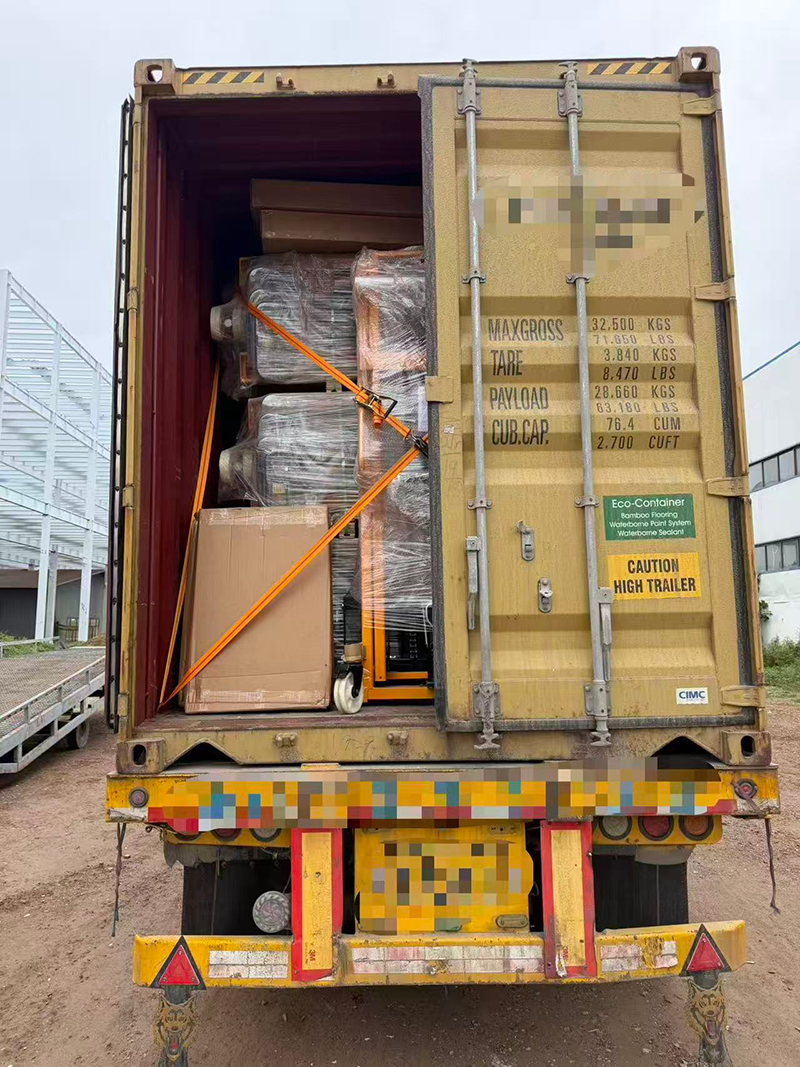
First, the customer sends us the products and approximate quantities they are interested in.
For example:
Manual Pallet Truck — 3T
Manual Stacker — 1T / 2T
Hydraulic Lifting Table — required capacity and lifting height
Handcart — required size and quantity
Then we check the dimensions, packing method and loading quantity of each product.
If the first combination does not use the 40HQ space efficiently, we can adjust the quantities.
We may suggest increasing a fast-moving model and reducing a product that occupies too much space.
Once the combination is reasonable, production and packing can be arranged according to the loading plan.
This is much more practical than producing everything first and trying to figure out the container afterward.
time.
Managing several suppliers means repeatedly checking:
production progress,
packing,
inspection,
shipping marks,
documents,
delivery dates,
and loading schedules.
For experienced importers, this is manageable.
But it still takes time.
When several related material handling products can be supplied and shipped together, communication becomes simpler.
One purchasing list.
One loading plan.
One container.
One shipment schedule.
For many distributors, this is just as valuable as saving a few dollars on freight.
material handling equipment distributors,
warehouse equipment dealers,
industrial equipment wholesalers,
importers expanding their product range,
companies testing new products,
and buyers who do not want to hold excessive inventory of a single model.
It is also useful for customers entering a new market.
Instead of ordering a very large quantity of one product without knowing the actual demand, a mixed container allows them to test several product categories and see which models move faster.
The next order can then be adjusted based on real sales.
That is a much healthier way to build inventory.
Simply send us:
Product + Specification + Approximate Quantity + Destination Port
For example:
Manual Pallet Truck — 3T, 550×1150 mm — 100 pcs
Manual Stacker — 2T, 1.6 m — 20 pcs
Hydraulic Lifting Table — 500 kg — 15 pcs
Handcart — 300 kg — 30 pcs
We can then check whether the combination is reasonable and calculate how the container space can be used more efficiently.
If the quantities don't fit well, we can suggest an adjustment.
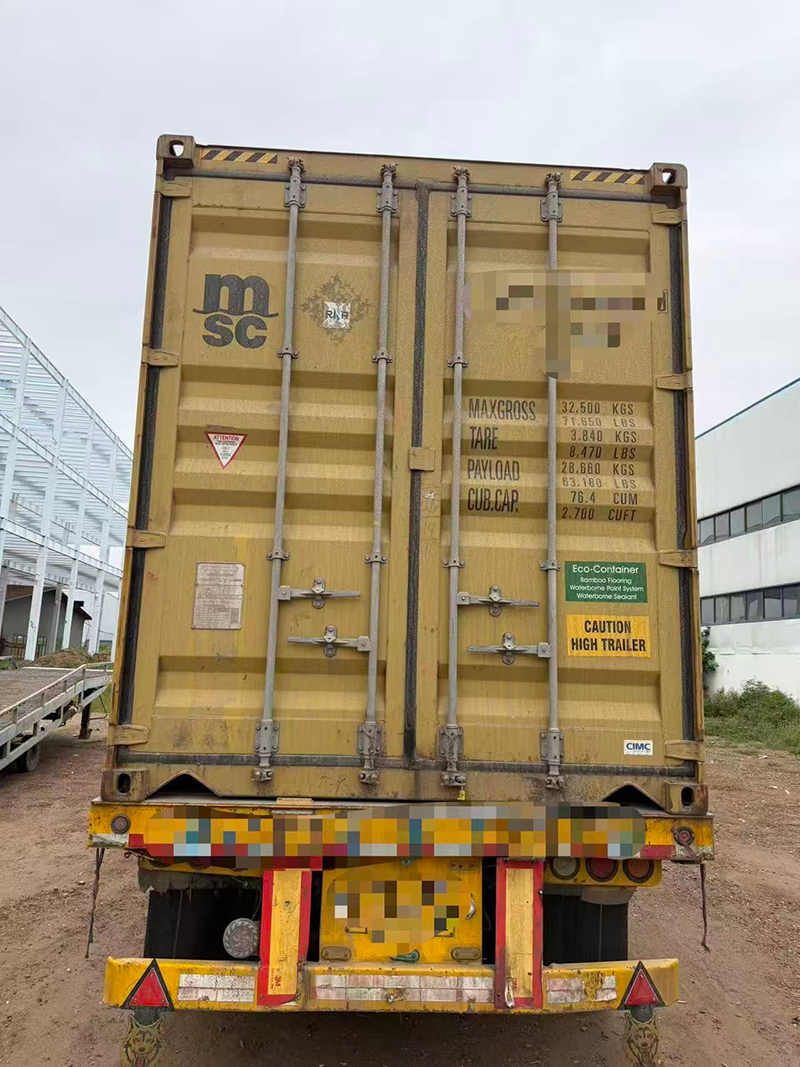
A good supplier should also understand how those products will be purchased, packed, shipped, sold and used.
Sometimes the best solution is not a lower price.
It is a better combination.
Manual pallet trucks + manual stackers + hydraulic lifting tables + handcarts in one 40HQ container can help distributors expand their product range while making better use of international shipping costs.
If you are planning your next container, send MKBK your product list.
We can help you check the specifications, quantities and mixed-loading possibilities before you place the order.
Don't just ask how many products fit in a container. Ask which products deserve the space.
MKBK — Practical material handling solutions built around your market.
For many material handling equipment distributors, buying only one product for a full container is not always the best choice.
A customer may need manual pallet trucks for daily warehouse work, manual stackers for lifting pallets, hydraulic lifting tables for assembly or maintenance, and handcarts for moving cartons and smaller goods.
Instead of arranging four separate shipments, these products can often be planned together and loaded into one 40HQ container.
At MKBK, mixed-container loading is one of the practical solutions we provide for customers purchasing different types of material handling equipment.
The goal is simple:
More product categories in one shipment, better use of container space, and lower overall purchasing and transportation costs.
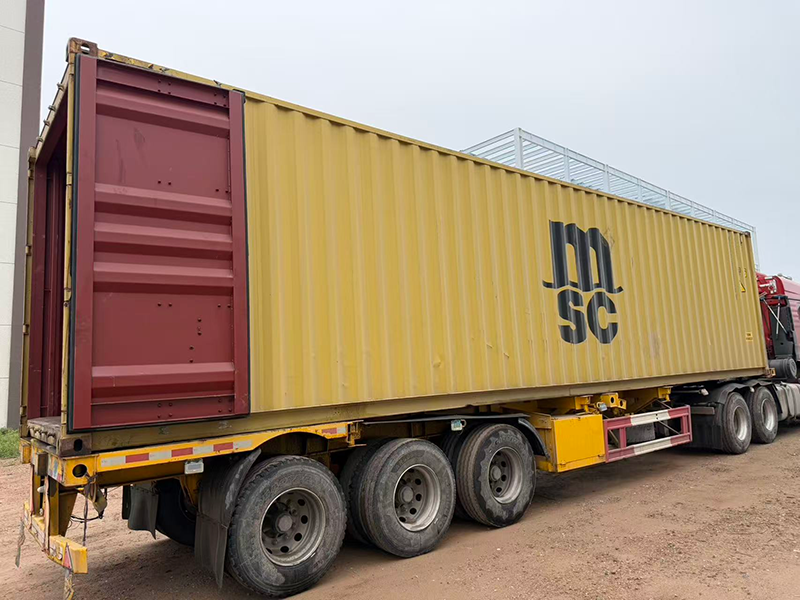
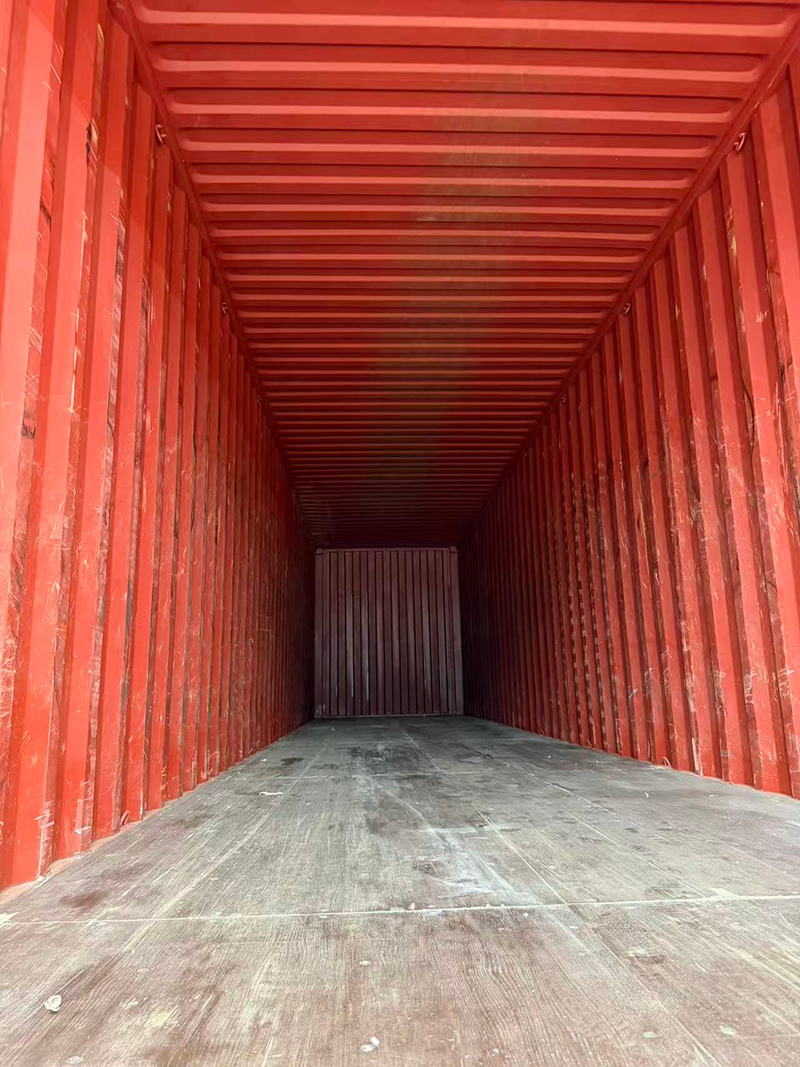
Why Mixed Loading Makes Sense for Material Handling Equipment Buyers
International buyers rarely sell only one type of material handling equipment.A warehouse equipment dealer may have customers asking for:
· Manual pallet trucks
· Manual stackers
· Hydraulic lifting tables
· Platform handcarts
· Electric pallet trucks
· Electric stackers
· Drum handling equipment
· Other warehouse handling products
The problem is that demand for each model is different.
For example, a distributor may be able to sell pallet trucks quickly but need only a smaller quantity of manual stackers or lifting tables.
Ordering a full container of every model means more inventory, more cash tied up in stock and more pressure on warehouse space.
Mixed loading gives the buyer another option.
Instead of asking:
“How many pallet trucks can we put in one 40HQ?”
We can ask:“What combination of products makes the most sense for your market?”
That small change in thinking can make a big difference.One Container, Different Products
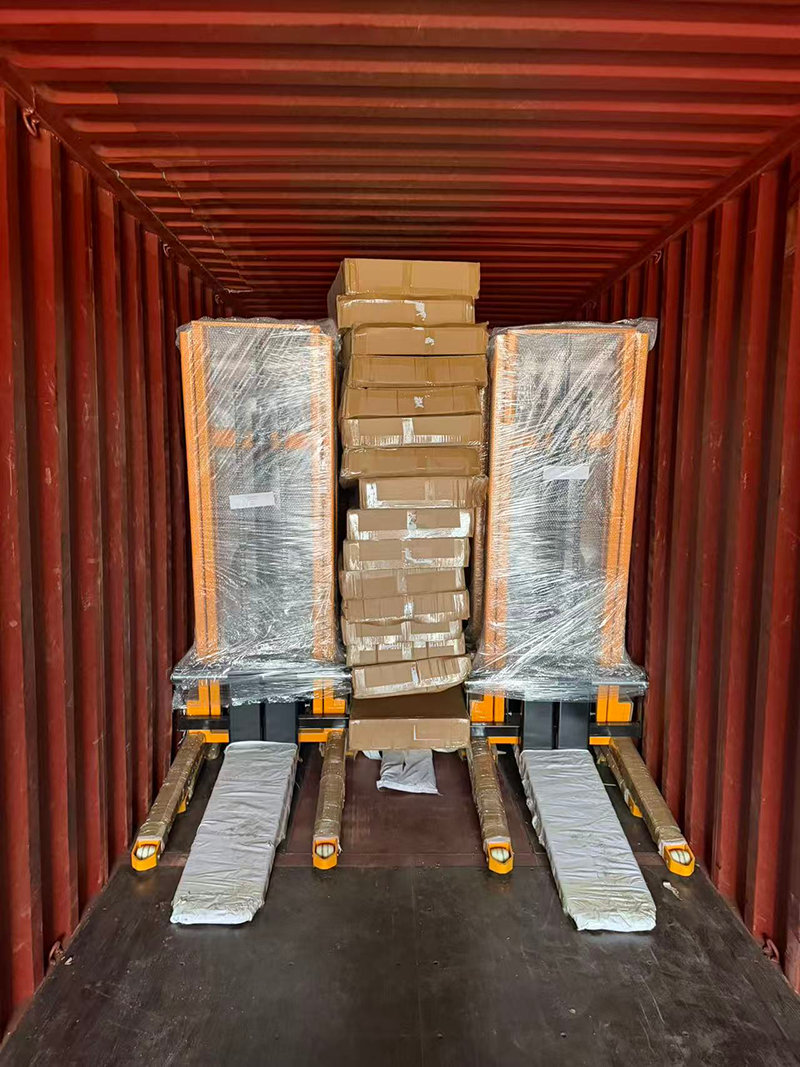
A typical mixed order may include:Manual Pallet Trucks
These are usually one of the highest-volume products in a material handling order. Different capacities, fork widths, fork lengths and wheel materials can be selected according to the market.Manual Stackers
Manual stackers take more container space than pallet trucks, but they are an important addition for distributors serving warehouses, factories and workshops.Hydraulic Lifting Tables
Hydraulic lifting tables are useful for lifting, positioning and transferring goods at different working heights. Different platform sizes, lifting heights and capacities can be supplied according to the application.Handcarts
Platform handcarts and other transport trolleys are useful complementary products. For distributors, they help expand the product range without requiring a completely separate shipment.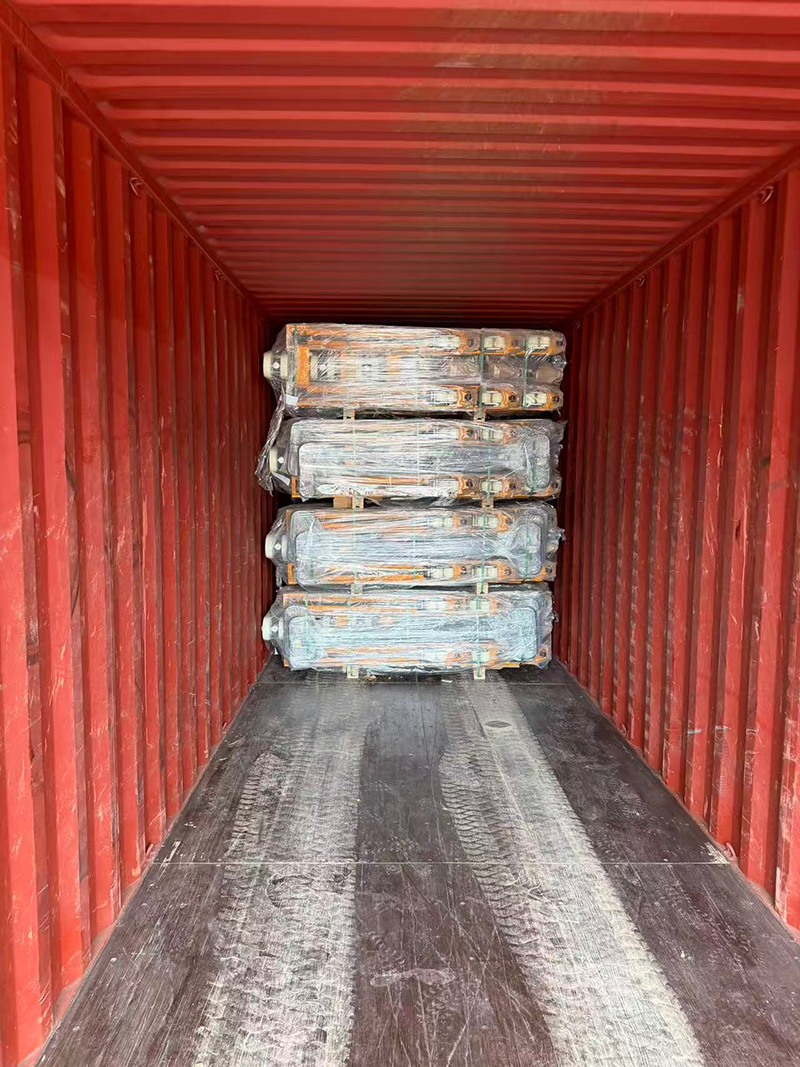
That is important.
A mixed container should be planned around what the customer can actually sell, rather than simply filling the container with whatever is easiest for the supplier to produce.
Engineer's View: Mixed Loading Is Actually a Space-Planning Job
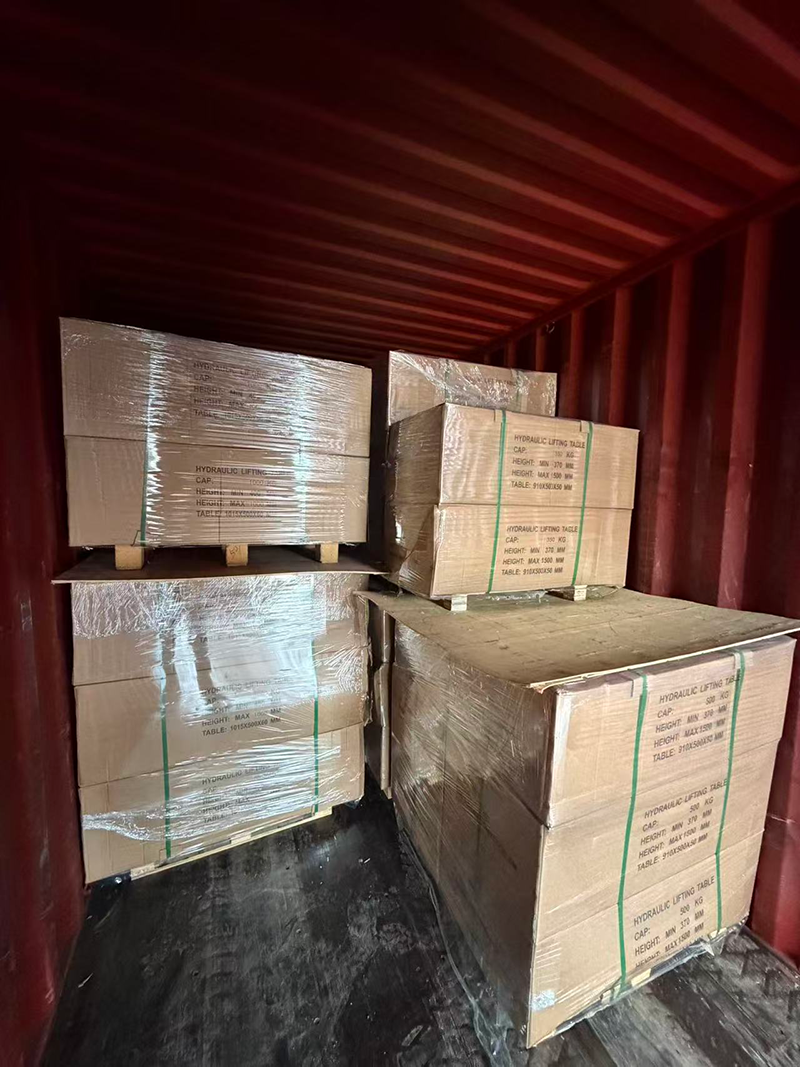
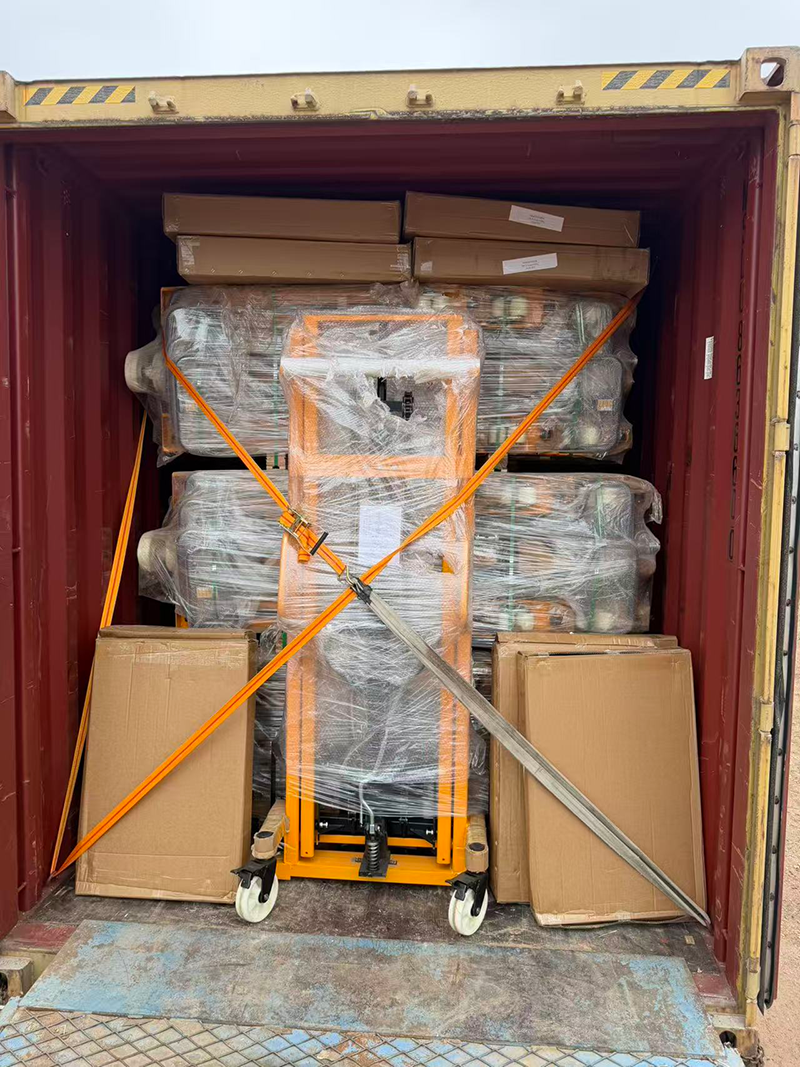
From an engineering point of view, mixed loading is not simply putting several products into the same container.We need to consider:
Product dimensions
Length, width and height directly determine how much container space each product occupies.Packing method
Some products can be stacked or nested, while others require pallets, wooden cases or additional protection.Product weight
A container may still have physical space available but already be approaching its acceptable cargo weight.Loading sequence
Heavy and stable equipment normally needs to be positioned carefully. Products that are easier to damage should not simply be placed wherever there is an empty space.Unloading convenience
We also consider what happens after the container arrives.A loading plan that looks efficient at the factory but creates problems when the customer unloads it is not a good loading plan.
This is why we normally calculate the combination before production and final loading.
The Real Cost Is Not Just the FOB Price
This is something we often discuss with customers.Suppose Supplier A gives you a slightly lower unit price for pallet trucks, Supplier B gives you stackers, and Supplier C gives you lifting tables.
On paper, each quotation may look attractive.
But then you have to consider:
multiple domestic transportation arrangements,
multiple export shipments,
multiple sets of documents,
different production schedules,
different communication channels,
and possibly several LCL shipments.
The lowest individual product price does not always create the lowest total purchasing cost.
This is especially important for importers and distributors.
A product that is USD 2 cheaper is not really cheaper if inefficient shipping adds another USD 5 to the landed cost.
That is why container utilization matters.
At MKBK, when customers send us their purchasing list, we can look at the order as a complete shipment rather than several unrelated products.
How Can a Mixed 40HQ Help Reduce Shipping Cost?
Imagine a customer needs four product categories.If each quantity is too small for a full container, shipping separately by LCL may increase the transportation cost per unit.
But when the products are combined properly, one 40HQ can carry several categories in the same shipment.
The ocean freight is then shared across more products.
This can help reduce the average logistics cost per product while also allowing the importer to receive a broader product range at one time.
There is another advantage that is often overlooked:
inventory flexibility.
For a distributor, having 200 units of one product is not necessarily better than having 120 units of one fast-moving product plus several smaller batches of complementary products.A broader product range can help the distributor respond to different customer inquiries without holding excessive stock of one single model.
We Don't Recommend Filling a Container Just for the Sake of Filling It
This is where practical experience matters.Sometimes customers ask:
“Can we add another 20 units?”
Technically, the answer may be yes.
Commercially, however, we also need to ask whether those 20 units are the right products to add.
If one product is already selling slowly in the customer's market, adding more just to use the last bit of container space may not be a good decision.
Sometimes the better choice is to add:
10 hydraulic lifting tables,
some handcarts,
a few manual stackers,
or another fast-moving pallet truck specification.
A well-filled container is good. A well-planned container is better.
Customization Makes Mixed Orders More Flexible
Different markets have different requirements.That is why MKBK supports customization for many material handling products.
Depending on the model, customers can discuss requirements such as:
capacity,
lifting height,
fork width,
fork length,
wheel material,
platform dimensions,
product color,
logo,
labels,
packing,
and other configuration details.
For distributors developing their own brand, OEM requirements can also be discussed.
The important point is that customization should solve a real market requirement.
We don't recommend changing specifications simply to make a product look different.
If a customer tells us the application, working environment and target market, our engineers can help determine which specifications are worth changing.
How We Plan a Mixed Container at MKBK
The process is actually quite straightforward.First, the customer sends us the products and approximate quantities they are interested in.
For example:
Manual Pallet Truck — 3T
Manual Stacker — 1T / 2T
Hydraulic Lifting Table — required capacity and lifting height
Handcart — required size and quantity
Then we check the dimensions, packing method and loading quantity of each product.
If the first combination does not use the 40HQ space efficiently, we can adjust the quantities.
We may suggest increasing a fast-moving model and reducing a product that occupies too much space.
Once the combination is reasonable, production and packing can be arranged according to the loading plan.
This is much more practical than producing everything first and trying to figure out the container afterward.
One Supplier Can Also Mean Less Communication
There is another cost that doesn't appear on the commercial invoice:time.
Managing several suppliers means repeatedly checking:
production progress,
packing,
inspection,
shipping marks,
documents,
delivery dates,
and loading schedules.
For experienced importers, this is manageable.
But it still takes time.
When several related material handling products can be supplied and shipped together, communication becomes simpler.
One purchasing list.
One loading plan.
One container.
One shipment schedule.
For many distributors, this is just as valuable as saving a few dollars on freight.
Who Is Mixed-Container Purchasing Suitable For?
This solution is particularly useful for:material handling equipment distributors,
warehouse equipment dealers,
industrial equipment wholesalers,
importers expanding their product range,
companies testing new products,
and buyers who do not want to hold excessive inventory of a single model.
It is also useful for customers entering a new market.
Instead of ordering a very large quantity of one product without knowing the actual demand, a mixed container allows them to test several product categories and see which models move faster.
The next order can then be adjusted based on real sales.
That is a much healthier way to build inventory.
What Information Should You Send Us?
If you are considering a mixed 20GP or 40HQ shipment, you don't need to prepare a complicated document.Simply send us:
Product + Specification + Approximate Quantity + Destination Port
For example:
Manual Pallet Truck — 3T, 550×1150 mm — 100 pcs
Manual Stacker — 2T, 1.6 m — 20 pcs
Hydraulic Lifting Table — 500 kg — 15 pcs
Handcart — 300 kg — 30 pcs
We can then check whether the combination is reasonable and calculate how the container space can be used more efficiently.
If the quantities don't fit well, we can suggest an adjustment.
More Than Selling Equipment
For us, material handling equipment is not only about manufacturing individual products.A good supplier should also understand how those products will be purchased, packed, shipped, sold and used.
Sometimes the best solution is not a lower price.
It is a better combination.
Manual pallet trucks + manual stackers + hydraulic lifting tables + handcarts in one 40HQ container can help distributors expand their product range while making better use of international shipping costs.
If you are planning your next container, send MKBK your product list.
We can help you check the specifications, quantities and mixed-loading possibilities before you place the order.
Don't just ask how many products fit in a container. Ask which products deserve the space.
MKBK — Practical material handling solutions built around your market.
- Previous Article:
- Next Article: Material Handling Equipment: How to Choose the Right Pallet Truck and Electric Stacker for Your Business

 Factory Address: Dongl ü industrial Area,Qingyuan District, Baoding City, Hebei Province, China
 Contact number:
 Emall:
  Website:





 Home
Home Whatsapp
 Email
Email