
 English
 русский
 Español
 Indonesia
 Tiếng Việt
 Current Location:
Categories
Hot News
-
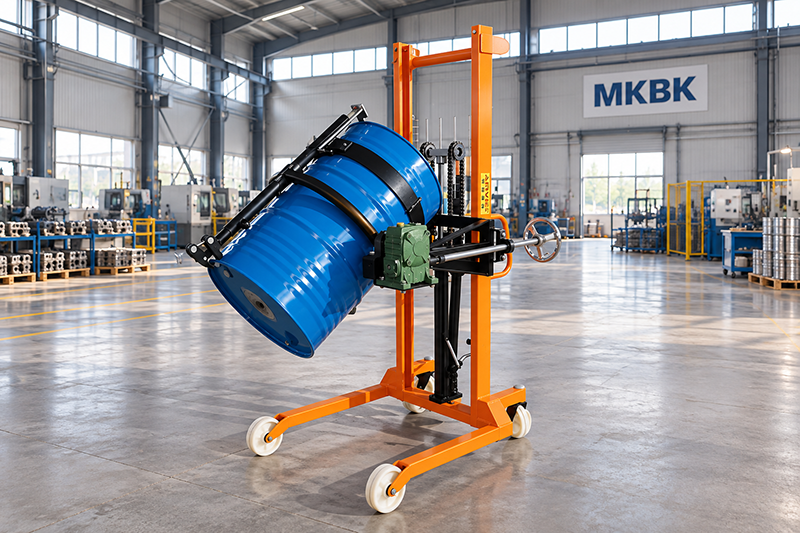
Drum Handling Tools: Making Oil Drum Lifting, Moving and Positioning Easier | MKBK Hoist
-
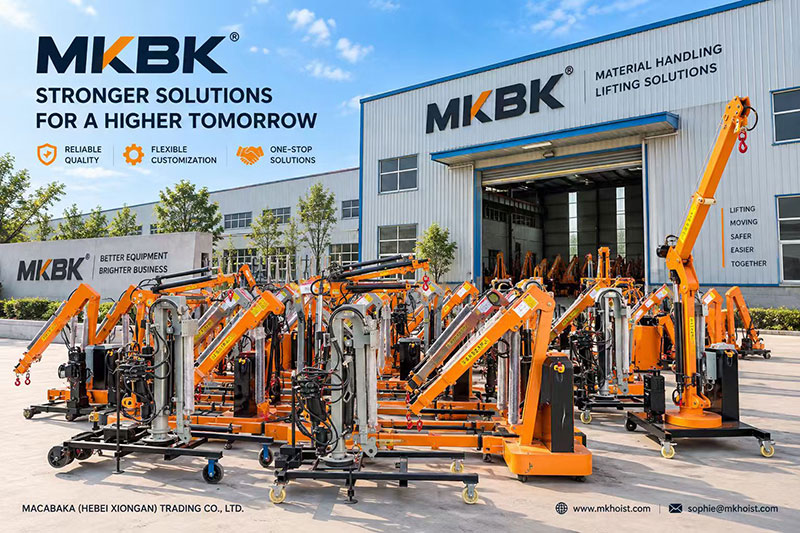
Mobile Hydraulic Electric Crane with Automatic Telescopic Boom: Move, Lift and Position Heavy Loads with Less Effort
-
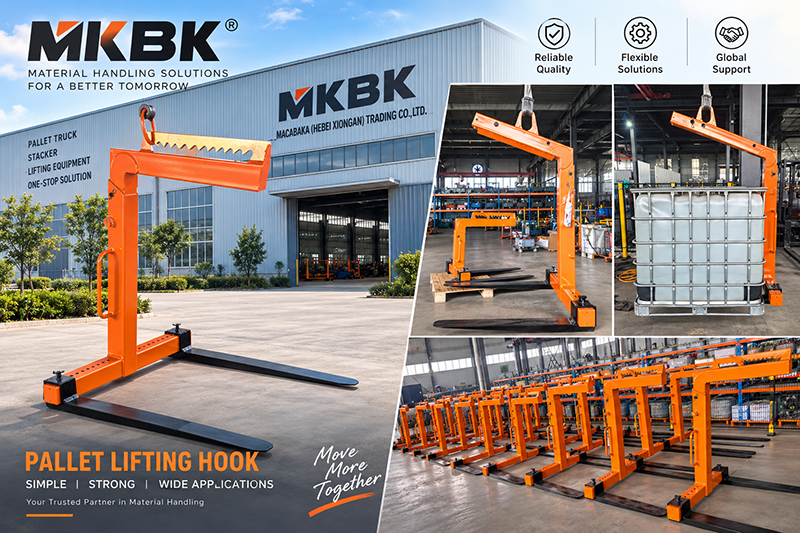
Manual Balanced Fork Crane 1–5 Ton: A Practical Lifting Solution for Tight Spaces
-
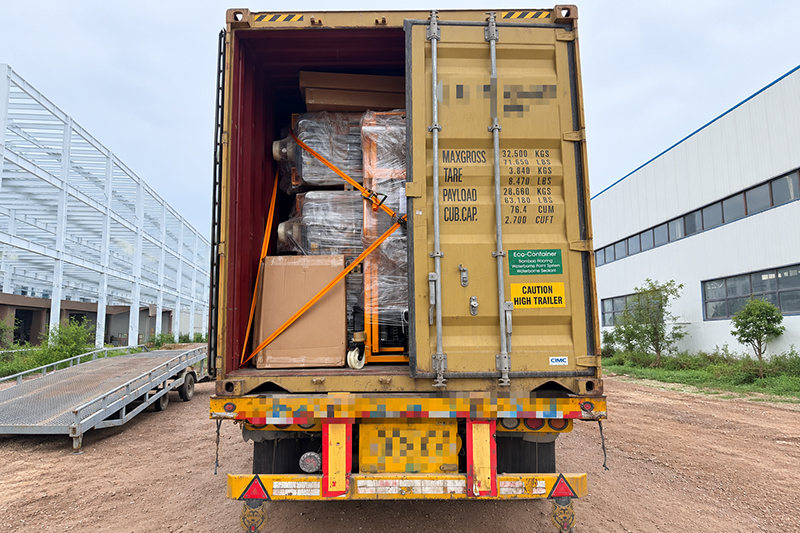
Mixed Loading Material Handling Equipment in One 40HQ Container: A Smarter Way to Reduce Shipping Costs

Online consulting
If you have any questions, please contact our online customer service staff immediately
What is the most common material handling device?
 Click:1773
  Time:2025-12-25 15:38:30
What is the most common material handling device?
In the field of industrial production, logistics and warehousing, material handling is a core link that directly affects operational efficiency, cost control and safety. Material handling devices, as the key tools to realize this link, have been continuously upgraded and diversified with the development of industry. Among the numerous material handling devices,forklifts are widely recognized as the most common and versatile equipment. MACABAKA Lifting Equipment will elaborate on the reasons for the prevalence of forklifts, their main types and application scenarios, and further confirm their dominant position in the field of material handling.
1. The Prevalence Basis of Forklifts: Why Are They the Most Common?
The widespread application of forklifts stems from their unique comprehensive advantages, which can meet the material handling needs of most industries and scenarios. Specifically, the reasons for their prevalence are reflected in the following aspects:
1.1 Strong Versatility
Forklifts can handle a variety of materials, including pallets, cartons, bulk goods, and large components. By replacing different attachments (such as side shifters, clamps, forks, and buckets), forklifts can adapt to different material forms and handling requirements. For example, in the food and beverage industry, they can handle packaged pallets; in the construction industry, they can carry building materials such as cement bags and steel bars; in the logistics and warehousing industry, they can realize the stacking and handling of goods in high warehouses. This versatility makes forklifts applicable to almost all industries involving material handling, which is an important reason for their wide use.
1.2 High Operational Efficiency
Compared with manual handling or other simple handling tools (such as trolleys), forklifts have significant advantages in handling efficiency. A standard forklift can carry goods weighing several tons to dozens of tons at one time, and its movement speed and lifting speed are much higher than manual operations. In large-scale warehouses or production workshops, forklifts can realize the rapid transfer of goods between different areas (such as loading and unloading areas, storage areas, and production lines), greatly shortening the material handling cycle and improving the overall operational efficiency of the enterprise.
1.3 Flexible Maneuverability
Forklifts are available in a variety of sizes and models, which can adapt to different operating spaces. Small electric forklifts can flexibly move in narrow warehouses or workshops with complex layouts; large internal combustion forklifts can operate in open yards or construction sites. In addition, the operation of forklifts is relatively simple, and operators can master the operation skills after short-term training, which reduces the difficulty of use and promotes the popularization of forklifts.
1.4 Cost-Effective Performance
From the perspective of long-term operation, forklifts have high cost performance. Although the initial purchase cost of forklifts is higher than that of simple handling tools, their high efficiency and low maintenance cost can help enterprises reduce long-term labor costs and operational costs. At the same time, the service life of forklifts is relatively long, and with proper maintenance, they can operate stably for many years, which further enhances their cost-effective advantage and makes them the first choice for enterprises to purchase material handling equipment.
2. Main Types of Forklifts: Adapting to Diverse Needs
The wide application of forklifts is also inseparable from the diversification of their types. Different types of forklifts are designed for different operating environments and material characteristics, which further expands their application scope. The main common types are as follows:
2.1 Electric Forklifts
Electric forklifts are powered by batteries and are widely used in indoor environments such as warehouses, workshops and supermarkets. They have the advantages of no exhaust emissions, low noise and energy saving. According to the structure, electric forklifts can be divided into electric counterbalanced forklifts, electric reach trucks, electric stackers, etc. Electric counterbalanced forklifts have a balanced weight at the rear, which can maintain stability during lifting and handling; electric reach trucks can extend the fork frame forward, suitable for high warehouse operations; electric stackers are small in size and flexible, suitable for small-scale material handling and stacking in narrow spaces.
2.2 Internal Combustion Forklifts
Internal combustion forklifts are powered by internal combustion engines (gasoline, diesel, LPG, etc.) and are mainly used in outdoor environments such as construction sites, ports and yards. They have the advantages of strong power, long continuous operation time and fast refueling. Internal combustion forklifts can handle heavy goods and adapt to harsh operating conditions (such as uneven ground and high temperature). However, due to their exhaust emissions and high noise, they are not suitable for indoor operations.
2.3 Special Forklifts
In addition to the above two common types, there are also various special forklifts designed for specific scenarios, such as rough terrain forklifts for outdoor uneven ground, container forklifts for container loading and unloading, and explosion-proof forklifts for flammable and explosive environments. These special forklifts further expand the application field of forklifts and make them play a role in more professional and complex material handling scenarios.
3. Application Scenarios of Forklifts: Covering Multiple Industries
The universality of forklifts is most intuitively reflected in their wide coverage of application scenarios. Almost all industries that need to move, stack or load and unload materials can see the figure of forklifts:
3.1 Logistics and Warehousing Industry
In logistics and warehousing centers, forklifts are the core equipment for goods storage and retrieval. They can stack goods to a height of several meters or even ten meters, making full use of warehouse space. During the process of goods in and out of the warehouse, forklifts realize the rapid transfer between the storage area and the loading and unloading area, improving the efficiency of logistics operations.
3.2 Manufacturing Industry
In manufacturing workshops, forklifts are responsible for the handling of raw materials, semi-finished products and finished products. For example, in the automobile manufacturing industry, forklifts transport auto parts to the production line; in the machinery manufacturing industry, forklifts move heavy machinery components. The efficient operation of forklifts ensures the smooth progress of the production line and improves the production efficiency of enterprises.
3.3 Construction Industry
On construction sites, forklifts are used to transport building materials such as cement, sand, steel bars and bricks. Due to the complex and uneven terrain of construction sites, internal combustion forklifts or rough terrain forklifts with strong passability are usually used. They can transport materials to different construction positions, providing guarantee for the progress of construction projects.
3.4 Retail and Supermarket Industry
In large supermarkets and retail warehouses, electric forklifts or small stackers are used to handle and stack goods such as food, daily necessities and commodities. They can flexibly move in the narrow space of the warehouse and supermarket, realizing the rapid replenishment of goods and improving the operational efficiency of retail enterprises.
4. Conclusion: The Irreplaceable Status of Forklifts in Material Handling
To sum up, forklifts have become the most common material handling device due to their strong versatility, high operational efficiency, flexible maneuverability and cost-effective performance. The diversification of their types enables them to adapt to different operating environments and material handling needs, and their application scenarios cover multiple industries such as logistics and warehousing, manufacturing, construction, and retail. With the continuous development of intelligent technology, forklifts are also moving towards intelligence and automation (such as automatic guided forklifts), which will further enhance their performance and application value. It is foreseeable that in the future, forklifts will still maintain their dominant position in the field of material handling and continue to play an important role in promoting the development of various industries.
In the field of industrial production, logistics and warehousing, material handling is a core link that directly affects operational efficiency, cost control and safety. Material handling devices, as the key tools to realize this link, have been continuously upgraded and diversified with the development of industry. Among the numerous material handling devices,forklifts are widely recognized as the most common and versatile equipment. MACABAKA Lifting Equipment will elaborate on the reasons for the prevalence of forklifts, their main types and application scenarios, and further confirm their dominant position in the field of material handling.
1. The Prevalence Basis of Forklifts: Why Are They the Most Common?
The widespread application of forklifts stems from their unique comprehensive advantages, which can meet the material handling needs of most industries and scenarios. Specifically, the reasons for their prevalence are reflected in the following aspects:
1.1 Strong Versatility
Forklifts can handle a variety of materials, including pallets, cartons, bulk goods, and large components. By replacing different attachments (such as side shifters, clamps, forks, and buckets), forklifts can adapt to different material forms and handling requirements. For example, in the food and beverage industry, they can handle packaged pallets; in the construction industry, they can carry building materials such as cement bags and steel bars; in the logistics and warehousing industry, they can realize the stacking and handling of goods in high warehouses. This versatility makes forklifts applicable to almost all industries involving material handling, which is an important reason for their wide use.
1.2 High Operational Efficiency
Compared with manual handling or other simple handling tools (such as trolleys), forklifts have significant advantages in handling efficiency. A standard forklift can carry goods weighing several tons to dozens of tons at one time, and its movement speed and lifting speed are much higher than manual operations. In large-scale warehouses or production workshops, forklifts can realize the rapid transfer of goods between different areas (such as loading and unloading areas, storage areas, and production lines), greatly shortening the material handling cycle and improving the overall operational efficiency of the enterprise.
1.3 Flexible Maneuverability
Forklifts are available in a variety of sizes and models, which can adapt to different operating spaces. Small electric forklifts can flexibly move in narrow warehouses or workshops with complex layouts; large internal combustion forklifts can operate in open yards or construction sites. In addition, the operation of forklifts is relatively simple, and operators can master the operation skills after short-term training, which reduces the difficulty of use and promotes the popularization of forklifts.
1.4 Cost-Effective Performance
From the perspective of long-term operation, forklifts have high cost performance. Although the initial purchase cost of forklifts is higher than that of simple handling tools, their high efficiency and low maintenance cost can help enterprises reduce long-term labor costs and operational costs. At the same time, the service life of forklifts is relatively long, and with proper maintenance, they can operate stably for many years, which further enhances their cost-effective advantage and makes them the first choice for enterprises to purchase material handling equipment.
2. Main Types of Forklifts: Adapting to Diverse Needs
The wide application of forklifts is also inseparable from the diversification of their types. Different types of forklifts are designed for different operating environments and material characteristics, which further expands their application scope. The main common types are as follows:
2.1 Electric Forklifts
Electric forklifts are powered by batteries and are widely used in indoor environments such as warehouses, workshops and supermarkets. They have the advantages of no exhaust emissions, low noise and energy saving. According to the structure, electric forklifts can be divided into electric counterbalanced forklifts, electric reach trucks, electric stackers, etc. Electric counterbalanced forklifts have a balanced weight at the rear, which can maintain stability during lifting and handling; electric reach trucks can extend the fork frame forward, suitable for high warehouse operations; electric stackers are small in size and flexible, suitable for small-scale material handling and stacking in narrow spaces.
2.2 Internal Combustion Forklifts
Internal combustion forklifts are powered by internal combustion engines (gasoline, diesel, LPG, etc.) and are mainly used in outdoor environments such as construction sites, ports and yards. They have the advantages of strong power, long continuous operation time and fast refueling. Internal combustion forklifts can handle heavy goods and adapt to harsh operating conditions (such as uneven ground and high temperature). However, due to their exhaust emissions and high noise, they are not suitable for indoor operations.
2.3 Special Forklifts
In addition to the above two common types, there are also various special forklifts designed for specific scenarios, such as rough terrain forklifts for outdoor uneven ground, container forklifts for container loading and unloading, and explosion-proof forklifts for flammable and explosive environments. These special forklifts further expand the application field of forklifts and make them play a role in more professional and complex material handling scenarios.
3. Application Scenarios of Forklifts: Covering Multiple Industries
The universality of forklifts is most intuitively reflected in their wide coverage of application scenarios. Almost all industries that need to move, stack or load and unload materials can see the figure of forklifts:
3.1 Logistics and Warehousing Industry
In logistics and warehousing centers, forklifts are the core equipment for goods storage and retrieval. They can stack goods to a height of several meters or even ten meters, making full use of warehouse space. During the process of goods in and out of the warehouse, forklifts realize the rapid transfer between the storage area and the loading and unloading area, improving the efficiency of logistics operations.
3.2 Manufacturing Industry
In manufacturing workshops, forklifts are responsible for the handling of raw materials, semi-finished products and finished products. For example, in the automobile manufacturing industry, forklifts transport auto parts to the production line; in the machinery manufacturing industry, forklifts move heavy machinery components. The efficient operation of forklifts ensures the smooth progress of the production line and improves the production efficiency of enterprises.
3.3 Construction Industry
On construction sites, forklifts are used to transport building materials such as cement, sand, steel bars and bricks. Due to the complex and uneven terrain of construction sites, internal combustion forklifts or rough terrain forklifts with strong passability are usually used. They can transport materials to different construction positions, providing guarantee for the progress of construction projects.
3.4 Retail and Supermarket Industry
In large supermarkets and retail warehouses, electric forklifts or small stackers are used to handle and stack goods such as food, daily necessities and commodities. They can flexibly move in the narrow space of the warehouse and supermarket, realizing the rapid replenishment of goods and improving the operational efficiency of retail enterprises.
4. Conclusion: The Irreplaceable Status of Forklifts in Material Handling
To sum up, forklifts have become the most common material handling device due to their strong versatility, high operational efficiency, flexible maneuverability and cost-effective performance. The diversification of their types enables them to adapt to different operating environments and material handling needs, and their application scenarios cover multiple industries such as logistics and warehousing, manufacturing, construction, and retail. With the continuous development of intelligent technology, forklifts are also moving towards intelligence and automation (such as automatic guided forklifts), which will further enhance their performance and application value. It is foreseeable that in the future, forklifts will still maintain their dominant position in the field of material handling and continue to play an important role in promoting the development of various industries.
- Previous Article:What are the 4 categories of material handling equipment?
- Next Article:

 Factory Address: Dongl ü industrial Area,Qingyuan District, Baoding City, Hebei Province, China
 Contact number:
 Emall:
  Website:





 Home
Home Whatsapp
 Email
Email