
 English
 русский
 Español
 Indonesia
 Tiếng Việt
 Current Location: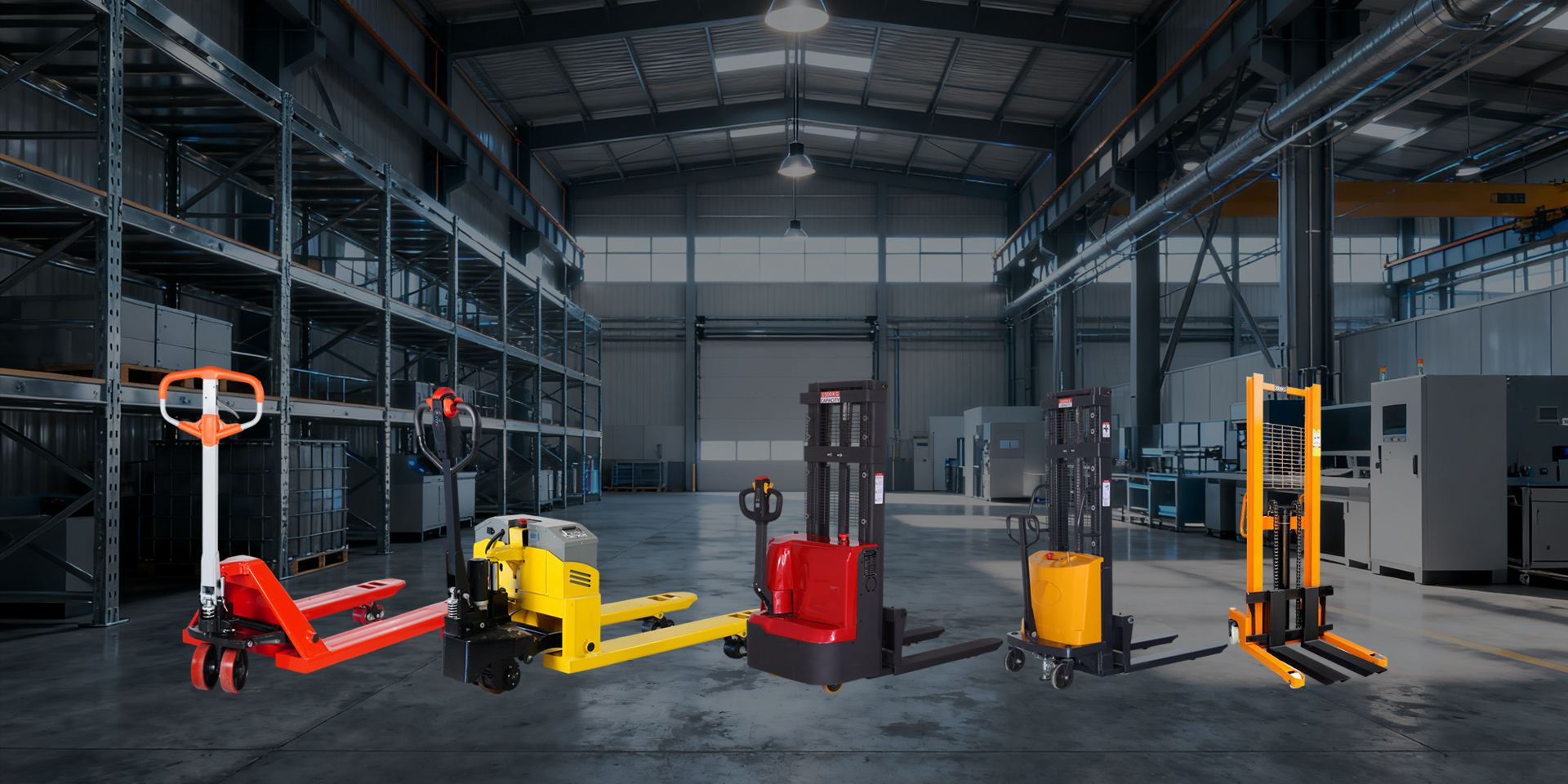
Online consulting
If you have any questions, please contact our online customer service staff immediately
Tired of Equipment That Fails Too Soon? An Engineer’s Guide to Choosing the Right Supplier
 Click:2
  Time:2026-04-29 13:48:42
Tired of Equipment That Fails Too Soon? An Engineer’s Guide to Choosing the Right Supplier
By mkbkhoist Engineering Team
Have you ever received equipment that looked fine… but failed after a few months?
Have you ever worked with a supplier who promised everything—but delivered something else?
In material handling and lifting equipment, problems rarely appear in the quotation.
They appear during real operation.
At mkbkhoist, we don’t just manufacture pallet trucks, stackers, forklifts, lifting platforms, machine moving skates, and chain hoists—we analyze why equipment fails, and how to avoid it.
Why Problems Only Show Up After Delivery
On paper, many products look similar:
- Same load capacity
- Similar dimensions
- Comparable price
But in reality, performance differences come from what cannot be seen immediately.
Engineering details are often hidden—but they define everything.
Common Issues Customers Face
From years of feedback, we’ve seen recurring problems across different equipment types.
1. “Rated Capacity” That Doesn’t Hold in Real Use
A pallet truck or stacker may be labeled 2T.
But under continuous use or maximum lift height:
- Lifting becomes slow
- Structure starts deforming
- Stability decreases
Because design was based on ideal conditions—not real ones.
2. Short Lifespan of Hydraulic Systems
Hydraulic systems are the core of:
- Pallet trucks
- Stackers
- Lifting platforms
Common issues include:
- Oil leakage
- Pressure loss
- Weak lifting
Often caused by low-quality seals, poor machining, or unstable valves.
3. Weak Structural Design
For forklifts, stackers, and lifting cranes:
- Thin steel reduces cost
- But increases risk of bending or cracking
Especially under heavy or frequent use.
4. Poor Control Experience
In electric equipment:
- Jerky movement
- Delayed response
- Inconsistent speed
These are not small issues—they directly affect safety and efficiency.
5. Mismatch Between Equipment and Application
This is the most common problem.
Customers often choose:
- Standard pallet trucks for heavy-duty use
- Basic stackers for long shifts
- Manual equipment for high-frequency operations
The result is premature failure and higher long-term cost.
Why Some Suppliers “Look Right” but Go Wrong
This is not always intentional—but it happens.
Focus on Price, Not Engineering
Lower price often means:
- Simplified structure
- Lower-grade components
- Reduced testing
Copying Without Understanding
Some products are copied visually—but not engineered properly.
They may look similar, but perform very differently.
No Real Application Analysis
Without asking:
- How many hours per day?
- What load conditions?
- What environment?
…it is impossible to recommend the right solution.
How to Avoid These Problems
From an engineering perspective, choosing the right equipment is about asking the right questions.
Step 1: Define Real Working Conditions
- Load weight (maximum, not average)
- Working hours per day
- Indoor or outdoor use
- Floor condition
Step 2: Match Equipment to Usage
- Manual vs electric
- Standard vs heavy-duty
- Lead-acid vs lithium battery
Step 3: Evaluate Structural and Hydraulic Design
Look beyond appearance:
- Steel thickness
- Cylinder quality
- Valve reliability
Step 4: Test or Validate When Possible
Even simple checks can reveal a lot:
- Lifting smoothness
- Stability at height
- Response of controls
What We Do Differently at mkbkhoist
At mkbkhoist, we approach every product the same way:
Start from the application
Analyze real working conditions
Design or recommend accordingly
Whether it’s:
- Pallet trucks
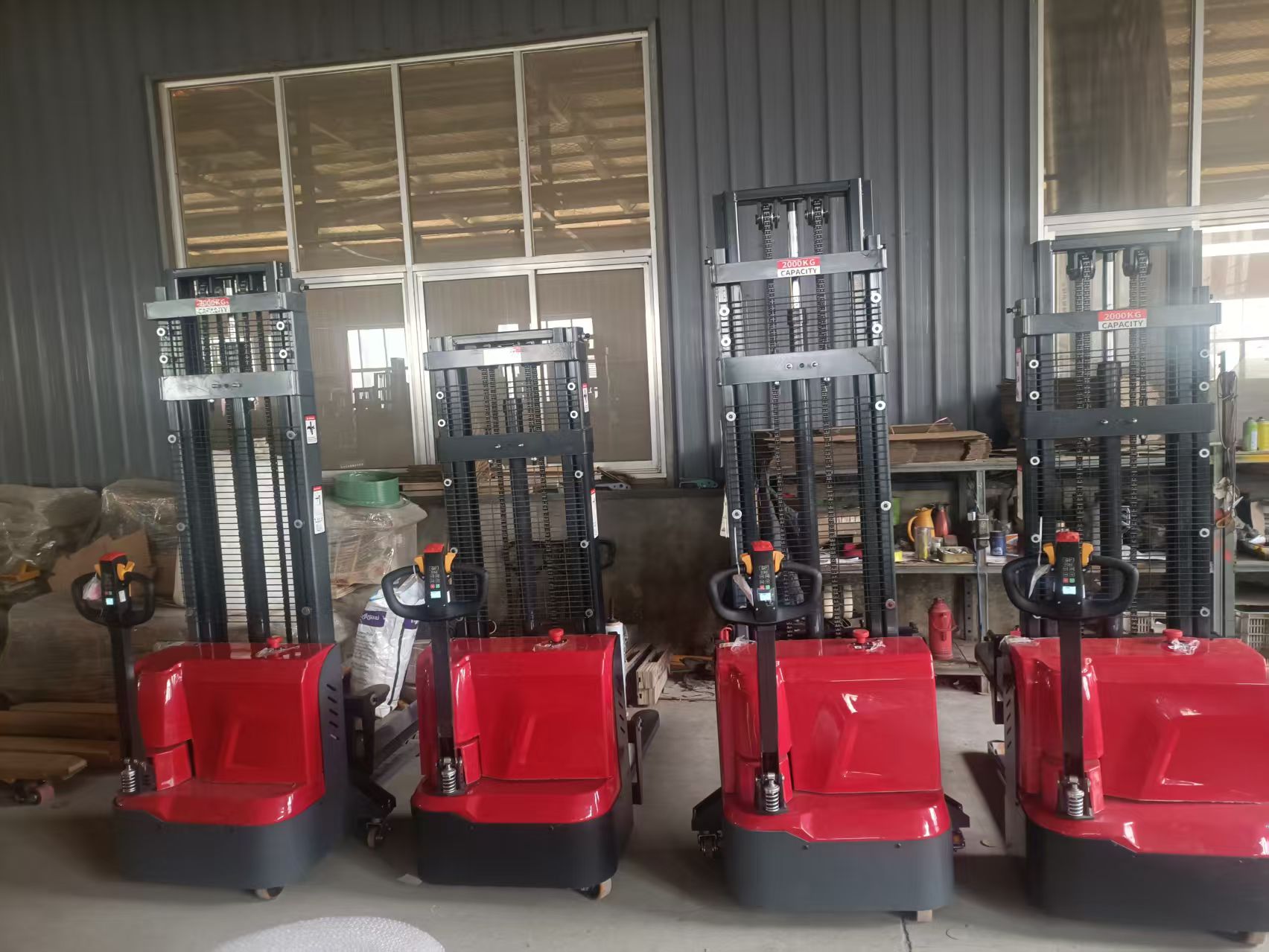
- Stackers
- Forklifts
- Hydraulic platforms
- Machine moving skates
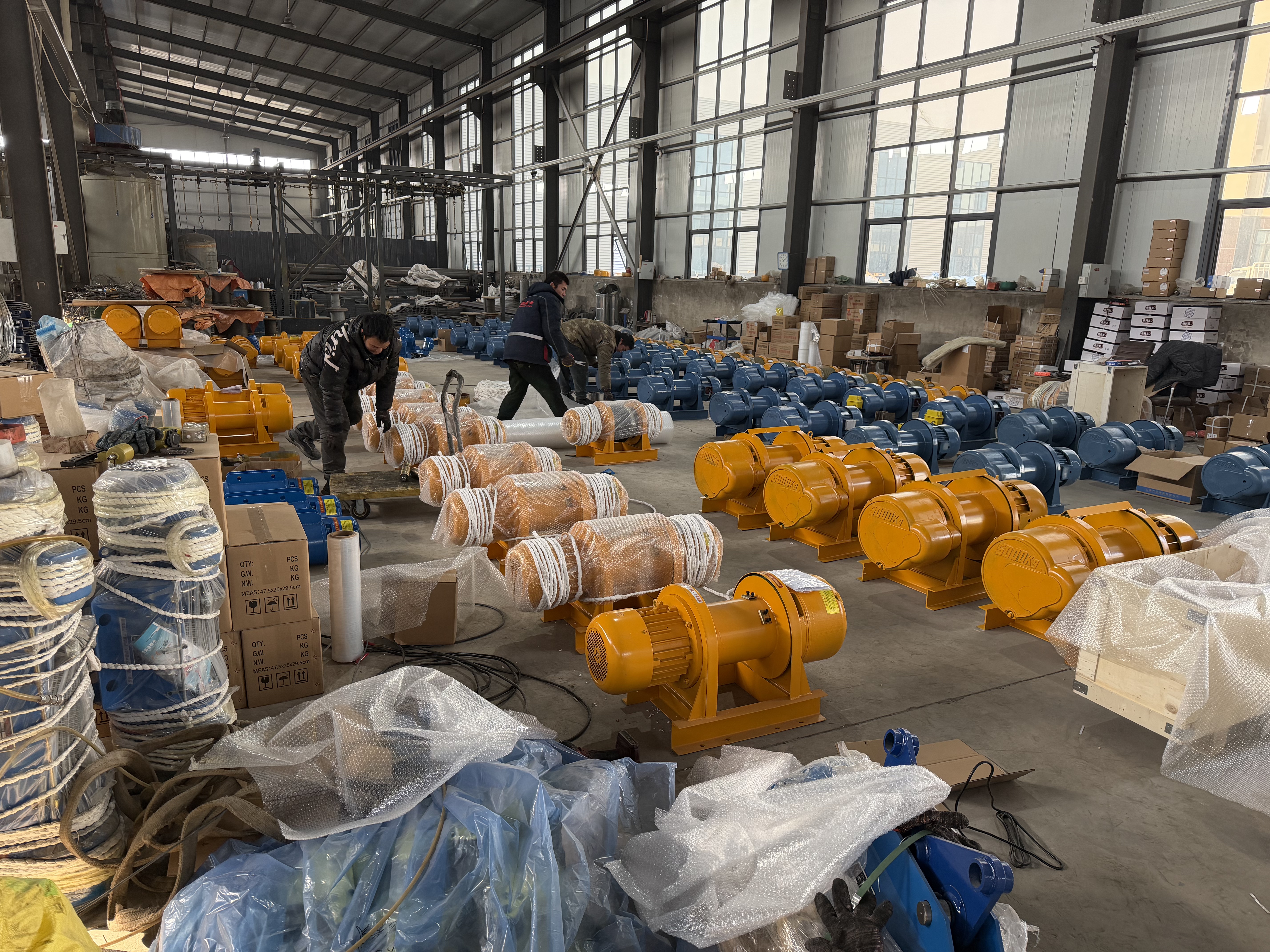
- Chain hoists and lifting cranes
The goal is not just to meet specifications, but to ensure reliable performance over time.
Conclusion
Equipment problems are rarely accidental.
They are usually the result of mismatched design, overlooked details, or incorrect assumptions.
Choosing the right supplier is not just about price—it’s about whether they understand how your equipment will actually be used.
At mkbkhoist, we believe one thing:
Good equipment doesn’t just lift loads—it reduces problems.
Keywords
#MaterialHandling #PalletTruck #ElectricStacker #Forklift #HydraulicPlatform #MachineMovingSkates #ChainHoist #LiftingCrane #WarehouseEquipment #IndustrialEquipment #EngineeringDesign #OEMManufacturer #SupplyChain #FactoryDirect #mkbkhoist
- Previous Article:
- Next Article: From Exhibition to Trust: Engineering-Level Insights from the 139th Canton Fair

 Factory Address: Dongl ü industrial Area,Qingyuan District, Baoding City, Hebei Province, China
 Contact number:
 Emall:
  Website:





 Home
Home Whatsapp
 Email
Email