
 English
 русский
 Español
 Indonesia
 Tiếng Việt
 Current Location: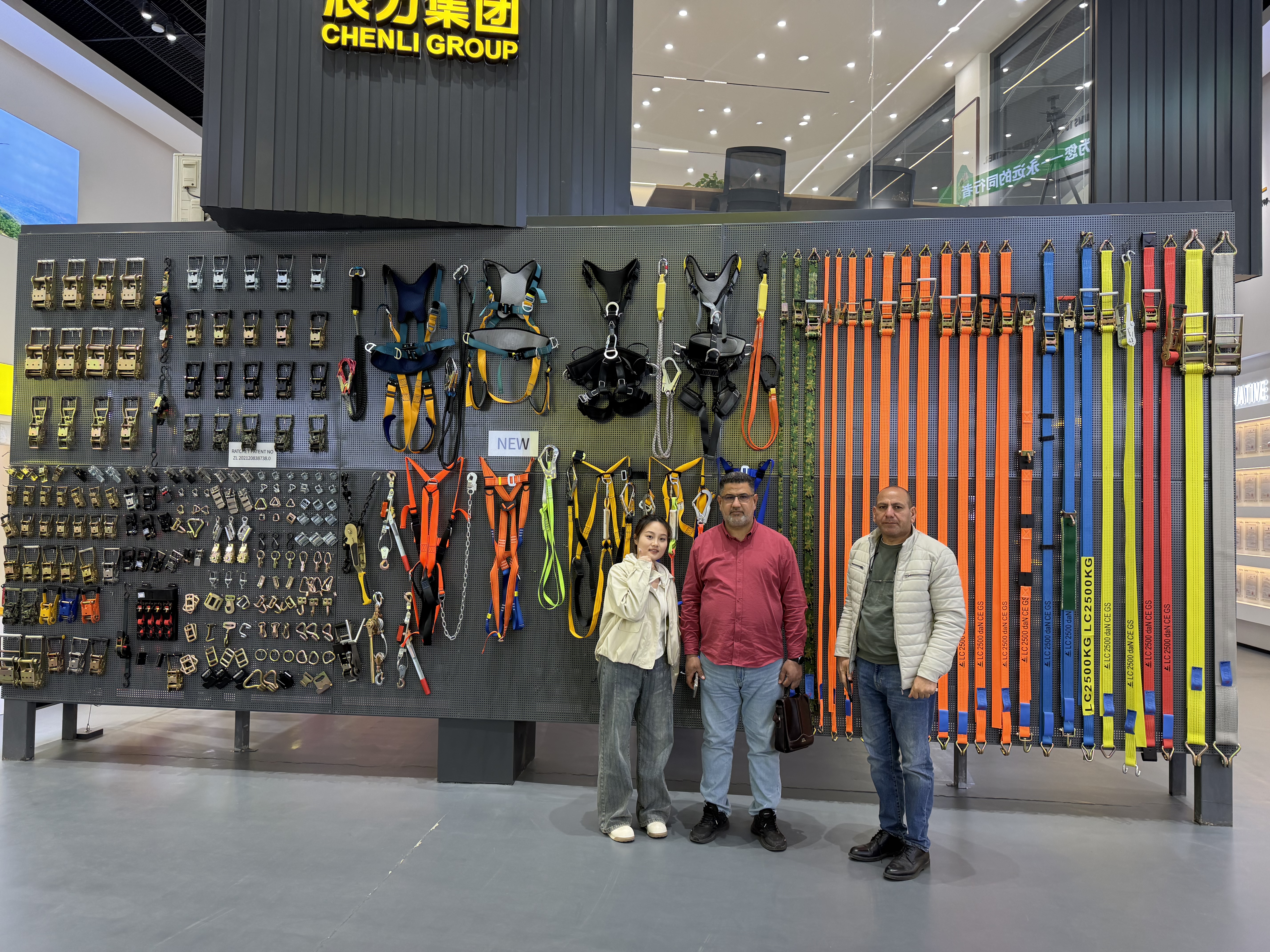

Online consulting
If you have any questions, please contact our online customer service staff immediately
Lifting Sling Manufacturing and Quality Control
 Click:4
  Time:2026-04-13 09:51:34
Lifting Sling Manufacturing and Quality Control
Technical Overview from mkbkhoist Factory
During recent visits from overseas clients, our engineering team provided a detailed walkthrough of lifting sling production at mkbkhoist.
This article outlines the key technical aspects of lifting sling design, material selection, structure, and testing standards—focusing on how consistent quality and safety are achieved in real manufacturing conditions.
Working Principle of Lifting Slings
A lifting sling functions by distributing load forces evenly across its structure.
When lifting operations are performed:
The applied load generates tensile force along the sling body
The woven structure distributes stress across the full width
Localized stress concentration is minimized
The load remains stable during lifting
This principle reduces the risk of material failure and protects both the load and lifting equipment.
The effectiveness of this system depends on material quality, structural integrity, and correct usage.
Material Selection and Performance Characteristics
At mkbkhoist, lifting slings are primarily manufactured using high-strength polyester fibers.
Key material properties include:
High tensile strength relative to weight
Resistance to moisture and most industrial chemicals
Low elongation under rated load conditions
Flexibility for handling irregular loads
Material consistency is critical.
Variations in fiber density or weaving quality can directly impact load capacity and safety performance.
Structural Design and Reinforcement
The structural design of a lifting sling determines its durability and safety under repeated use.
Key structural features include:
Reinforced eye loops for connection points
Multi-layer webbing construction for increased load capacity
High-density stitching patterns for load distribution
Edge protection to reduce wear during contact with loads
All stitching patterns are engineered rather than decorative.
Load-bearing areas are reinforced to ensure that stress is transferred evenly across the sling.
Manufacturing Process Control
Production at mkbkhoist follows controlled procedures to ensure consistency across batches.
Key control points include:
Raw material inspection before production
Precision cutting to maintain dimensional accuracy
Standardized stitching processes
In-line quality checks during assembly
Each stage is monitored to prevent deviations that could affect performance.
Load Testing and Safety Verification
All lifting slings undergo load testing before shipment.
Testing procedures include:
Application of controlled tensile force using hydraulic testing equipment
Gradual increase of load to verify structural integrity
Inspection for deformation, stitching failure, or material defects
Hydraulic systems are used to apply stable and measurable force, ensuring that test conditions simulate real lifting scenarios.
Only products that meet internal and international safety requirements are approved for delivery.
Compliance and Application
Lifting slings produced by mkbkhoist are suitable for a wide range of industrial applications, including:
Construction and heavy lifting
Logistics and warehousing
Port and terminal operations
Manufacturing and industrial handling
These environments require reliable load handling where safety and durability are critical.
Why Factory Inspection Matters
Overseas clients visiting our facility focus on:
Material sourcing
Production consistency
Testing capability
Quality control systems
For professional buyers, evaluating the manufacturing process is as important as reviewing product specifications.
Consistency across production batches is essential for long-term cooperation.
Conclusion
Lifting slings are critical components in material handling systems.
Their performance depends on:
Material quality
Structural design
Manufacturing control
Testing standards
At mkbkhoist, production is managed with a focus on safety, consistency, and engineering reliability.
For clients requiring stable quality and long-term supply, factory capability is a key factor in supplier selection.
Keywords
#LiftingSling #WebbingSling #PolyesterSling #MaterialHandling #LiftingEquipment #IndustrialSafety #RiggingEquipment #FactoryInspection #mkbkhoist #GlobalShipping
- Previous Article:
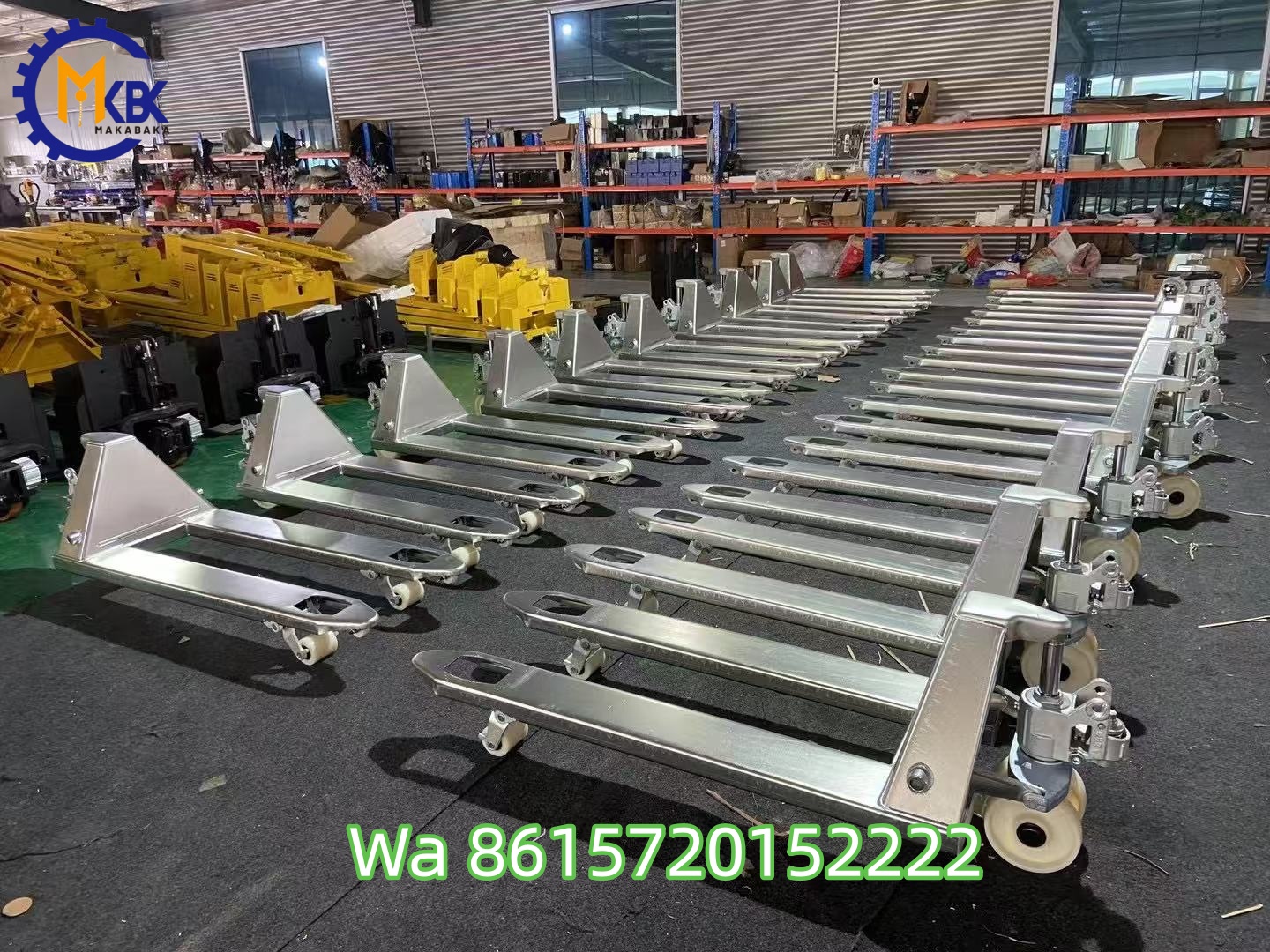
- Next Article: Stainless Steel Pallet Trucks in Stock

 Factory Address: Dongl ü industrial Area,Qingyuan District, Baoding City, Hebei Province, China
 Contact number:
 Emall:
  Website:



 Home
Home Whatsapp
 Email
Email
