
 English
 русский
 Español
 Indonesia
 Tiếng Việt

 Current Location:
-
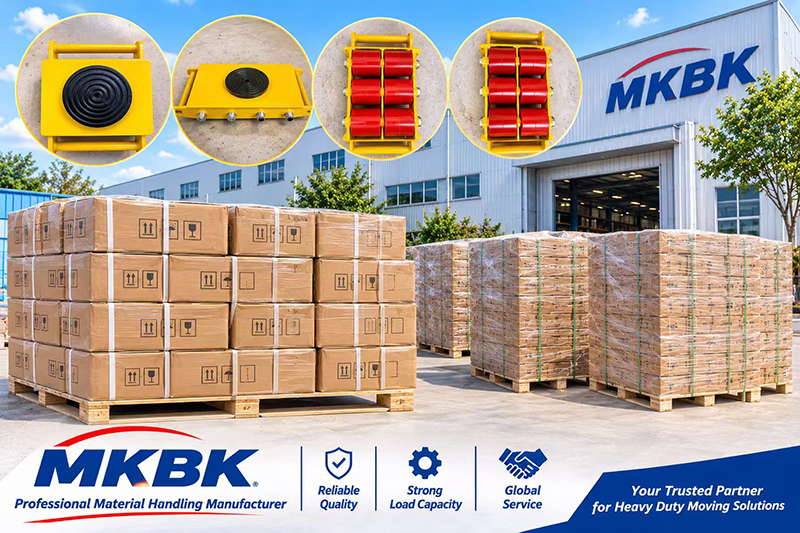
Cargo Trolley and Moving Skates 4–60T: Heavy-Duty Material Handling Equipment Ready for Shipment | MKBK Hoist
-
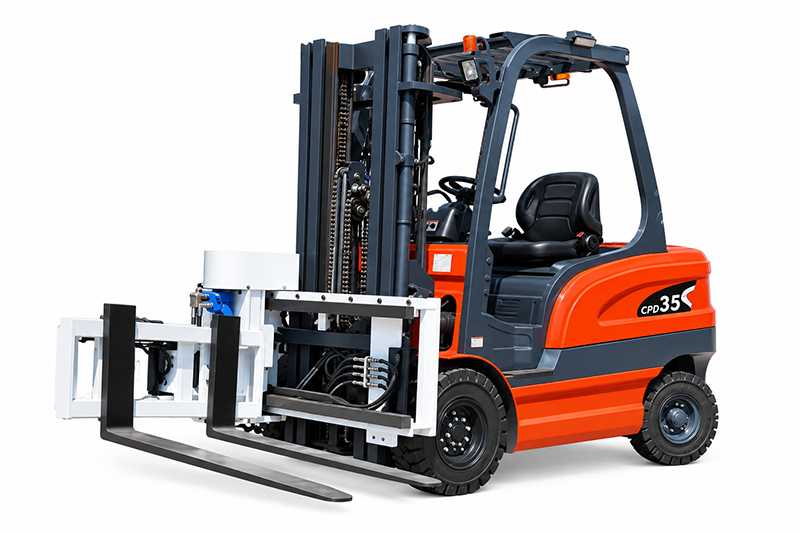
Customized Three-Way Stacker: A Smart Solution for Narrow-Aisle Warehousing | MKBK Hoist
-
MKBK Hoist 2026 China National Day Holiday Notice | October 1–7
-
Happy Mid-Autumn Festival from MKBK Hoist — Different Places, Under the Same Moon

Online consulting
If you have any questions, please contact our online customer service staff immediately
Cargo Trolley and Moving Skates 4–60T: Heavy-Duty Material Handling Equipment Ready for Shipment | MKBK Hoist
 Click:10
 Time:2026-11-02 17:49:03
Moving a 60-ton load is not about using more force. It is about using the right equipment, the right load distribution, and the right plan.
When heavy machinery needs to be moved inside a factory, workshop, warehouse, or industrial facility, ordinary handling equipment is simply not enough. Large machines, production lines, steel structures, and industrial equipment require a reliable way to move safely and efficiently.
This is where cargo trolleys and moving skates come into play.
MKBK Hoist supplies heavy-duty cargo trolleys and machinery moving skates with load capacities ranging from 4 tons to 60 tons. From production and assembly to pre-shipment preparation, every order needs attention to its specifications and intended application. Our goal is to provide practical heavy-load handling solutions that are ready for the customer's next project.
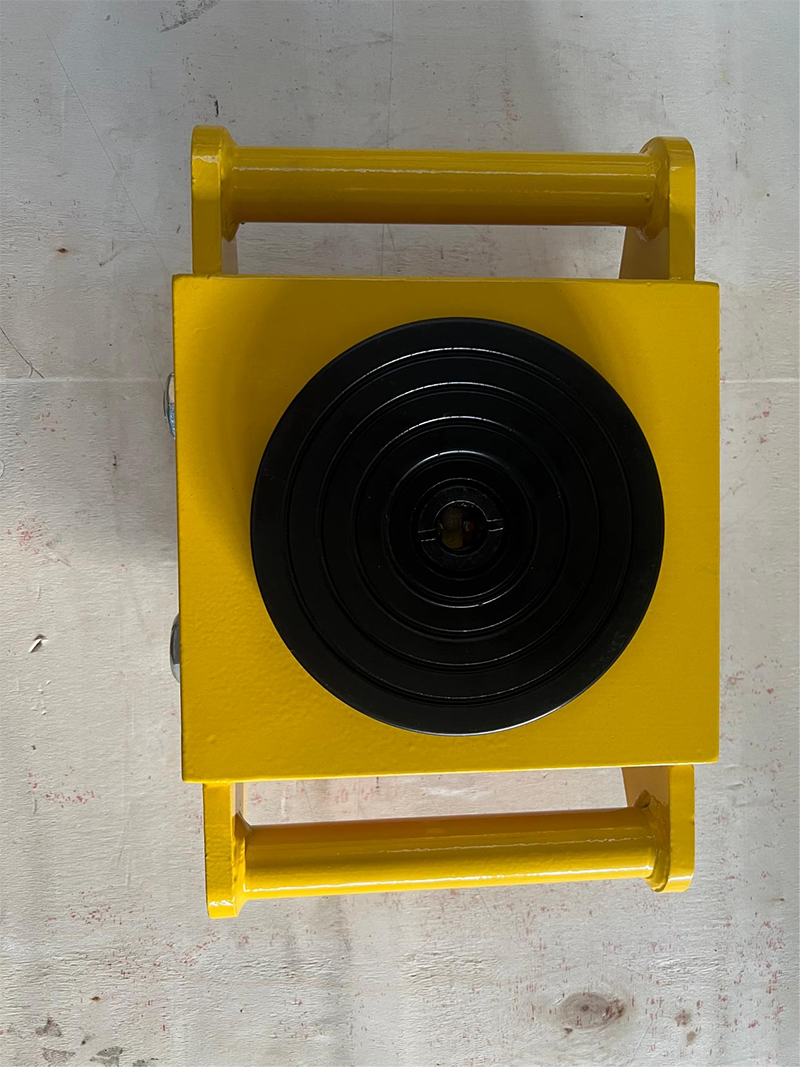
What Are Cargo Trolleys and Moving Skates?
Cargo trolleys, also known as machinery moving skates or machinery rollers, are designed to support and move heavy loads over suitable floors.
Unlike ordinary hand trucks, these products are built for industrial loads that may weigh several tons or even dozens of tons. They are commonly used to reposition machinery, move industrial equipment, transport heavy components, and assist with factory relocation or equipment installation.
Depending on the design, a moving skate system may include fixed-direction rollers, steering skates, connecting rods, turntables, or other components that help operators control the movement of a load.
A typical setup uses multiple skates placed under appropriate supporting points of the machinery. The load is then moved slowly using suitable pulling or pushing equipment.
It sounds simple, but there is an important engineering principle behind it: the weight must be properly supported and distributed before movement begins.
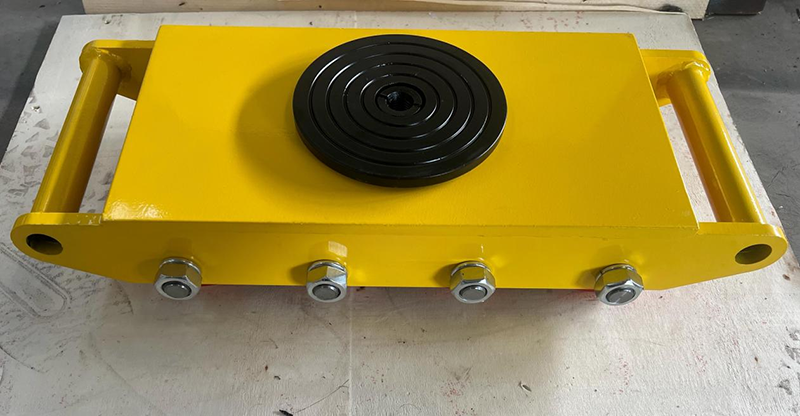
4T–60T Capacity: Choosing the Right Moving Skate
MKBK Hoist offers cargo trolley and moving skate solutions across a 4–60 ton capacity range. Different capacities are intended for different load requirements, so selecting a model should begin with the actual weight and dimensions of the equipment being moved.
A 4-ton moving skate may be suitable for smaller industrial machines or workshop equipment. Medium-capacity options can support heavier machinery and production equipment. Higher-capacity models, including 30-ton and 60-ton solutions, are intended for demanding heavy-duty handling applications when the complete system is correctly configured.
However, rated capacity should never be treated as a simple number to match against the total weight of a machine.
For example, a machine weighing 20 tons may be supported by several skates, but the load may not be distributed equally between them. Its center of gravity, supporting points, floor condition, and the arrangement of the skates all affect the actual load carried by each unit.
From an engineer's perspective, the correct selection must consider the complete moving system, not just the capacity printed on an individual product.
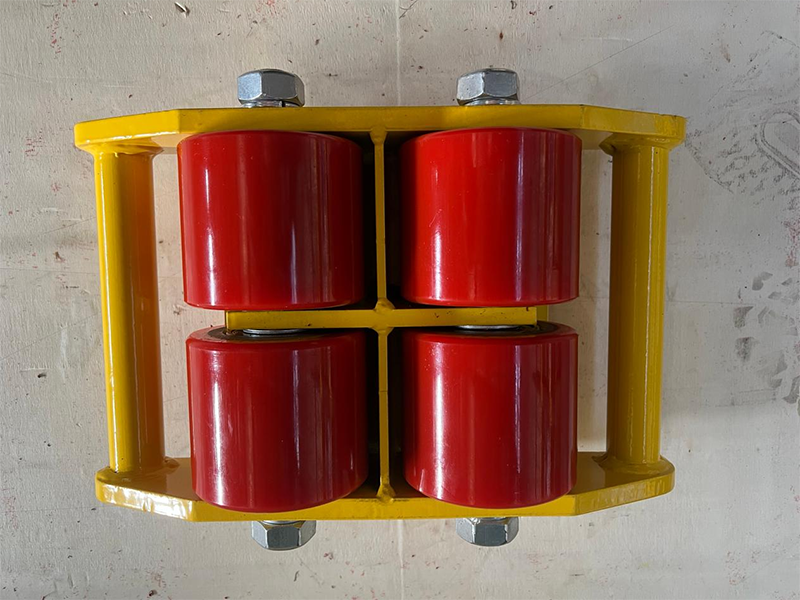
An Engineer's View: Five Details That Matter in Heavy Load Movement
1. Load Distribution
The first question is not simply how heavy the machine is. It is how that weight is transferred to the moving skates.
Heavy machinery may have an uneven weight distribution because of motors, gearboxes, frames, or other concentrated components. If one skate carries significantly more load than expected, it may become overloaded even when the combined nominal capacity appears sufficient.
The supporting points and load distribution should therefore be evaluated before movement. Where necessary, suitable load-spreading structures or additional support arrangements may be required.
2. Floor Conditions
A moving skate can have a high rated capacity, but that does not mean it can travel safely over every surface.
The floor should be sufficiently strong, firm, level, and free from obstacles. Cracks, gaps, uneven joints, loose materials, and damaged surfaces can affect roller movement and increase resistance.
Engineers should also consider floor loading. A heavy machine concentrates substantial force through relatively small contact areas, so the floor's ability to support the load is just as important as the equipment's capacity.
3. Roller Design and Contact
Rollers are the working parts that carry the load and allow it to move. Their material, dimensions, arrangement, and contact surface influence how the equipment performs.
Different industrial environments may require different roller configurations. The right choice depends on the load, floor material, movement distance, and operating conditions.
Rollers should be inspected for visible damage, abnormal wear, and restricted rotation. A damaged roller can affect the movement of the entire load.
4. Steering and Movement Control
Not every moving skate has the same steering capability. Some designs are intended for straight-line movement, while others allow directional adjustment.
When moving large machinery through a narrow workshop or around obstacles, steering arrangements become particularly important.
The operator needs to plan the route before moving the load. Sudden changes in direction, uncontrolled pulling, and poorly coordinated movement can create dangerous side forces or cause the load to shift.
5. Pulling Force and Operating Method
Moving heavy equipment requires more than selecting a high-capacity trolley. The pulling or pushing method must also be suitable for the load and the working environment.
Operators should use appropriate equipment and controlled movement procedures. Nobody should stand in the direction of an uncontrolled moving load or place hands or feet beneath unsupported machinery.
The load must remain properly supported throughout the operation. Lifting, positioning, and lowering should be carried out using equipment and procedures suitable for the actual weight and center of gravity.
These precautions are essential. A heavy-duty moving skate is a load-handling component, not a complete replacement for a properly planned machinery-moving operation.
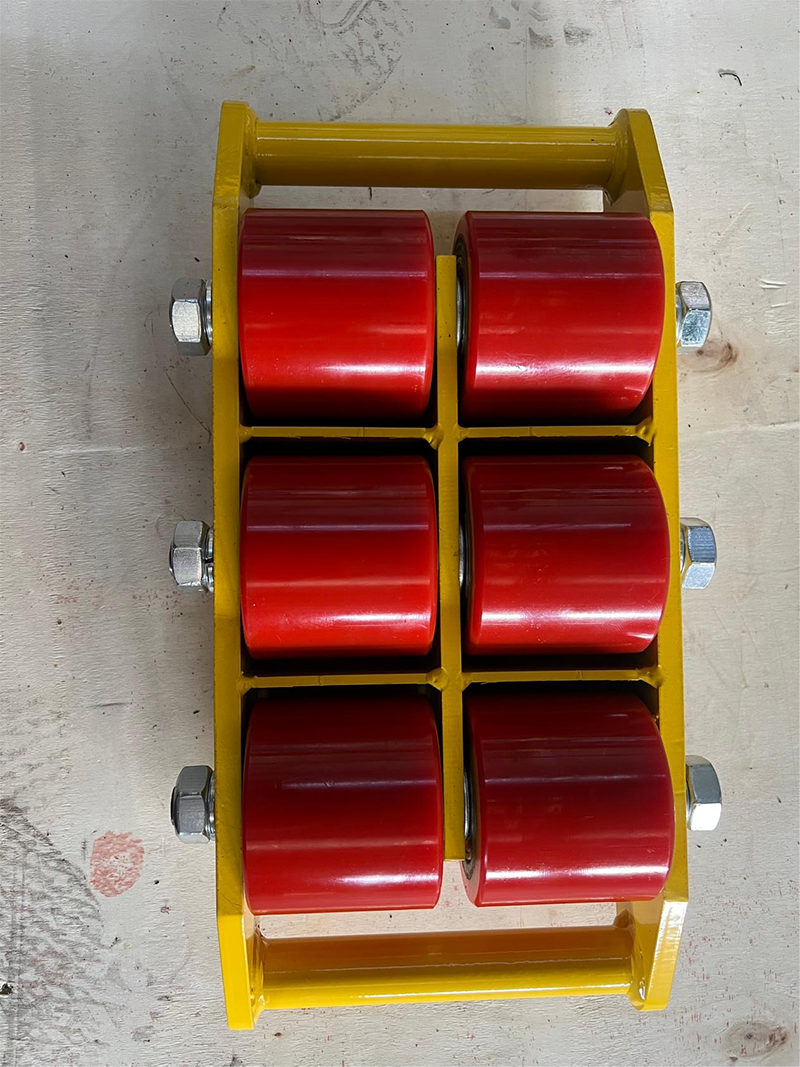
Where Are 4–60T Cargo Trolleys Used?
Heavy-duty cargo trolleys and moving skates are widely used in industrial environments where large equipment needs to be repositioned.
In manufacturing plants, they can assist with moving production machinery, processing equipment, and heavy components during installation or maintenance.
In workshops, they provide a practical option for repositioning machine tools, industrial presses, and other heavy equipment where overhead lifting may not be convenient.
In warehouses and logistics facilities, suitable moving skate systems can help move heavy loads over prepared floor surfaces.
They are also useful during factory relocation projects, where machines need to be moved from one working area to another or repositioned for installation.
The actual suitability depends on the equipment configuration, load weight, floor conditions, and movement plan. Selecting the right model should always begin with the job that needs to be done.
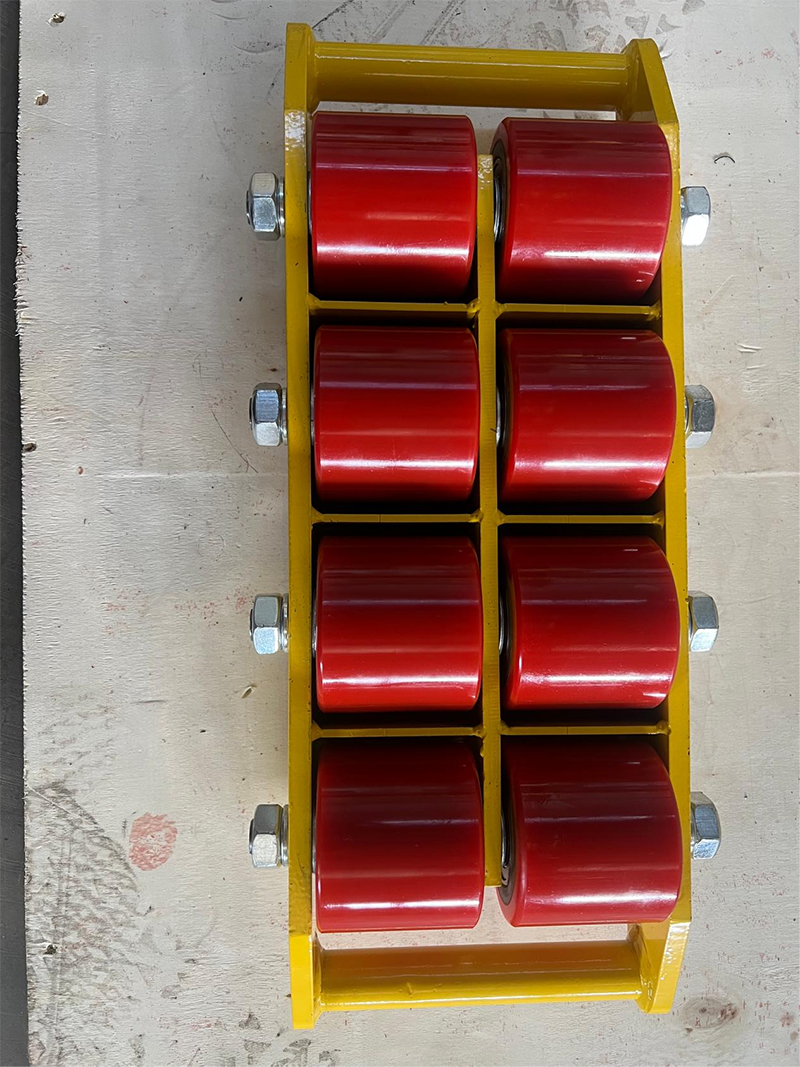
Large-Volume Orders: What Happens Before Shipment?
When customers see a large shipment of cargo trolleys and moving skates, they see the finished products. Behind that shipment, however, there is a series of preparation steps that matter just as much as production itself.
For MKBK Hoist, shipment preparation starts with checking the confirmed order details. Product models, quantities, load capacities, and agreed configurations need to match the customer's requirements.
Next comes product inspection. Depending on the model, relevant checks may include the overall frame condition, roller installation, steering components, connecting parts, fasteners, and visible signs of damage or deformation.
The rollers and moving components deserve particular attention because they directly affect the equipment's movement. The product should be checked for proper assembly and smooth component operation according to its design.
Packaging is another important part of the process. Heavy-duty moving skates are compact but can be very heavy. Their weight, shape, and exposed components need to be considered when arranging protective packaging and securing the products for transportation.
For mixed or large-volume orders, checking product quantities and identifying different models clearly also helps customers organize the shipment after arrival.
A large order should not simply be packed quickly because the products are ready. It should be prepared according to the confirmed order and transportation requirements.
Factory-Direct Supply from MKBK Hoist
For international buyers, working directly with a factory makes it easier to discuss technical requirements, product configurations, quantities, and shipment arrangements.
MKBK Hoist provides cargo trolleys and moving skates across a 4–60T capacity range for customers in different industrial sectors.
Whether you need a few units for a workshop or a larger shipment for distribution, the selection process should be based on the actual application. Our team can discuss the load capacity, product type, roller arrangement, steering requirements, and other details before the order is confirmed.
For customized requirements, sharing the machinery weight, dimensions, center of gravity, floor condition, and intended movement route can help the engineering team assess the application more accurately.
Factory-direct communication also helps avoid unnecessary misunderstandings between product specifications and the customer's expectations.
What Information Should You Provide for a Quotation?
To help us recommend a suitable cargo trolley or moving skate, please provide the following information:
The total weight of the machinery, its approximate dimensions, the required load capacity, the number of moving skates needed, the floor material, and whether the movement is mainly straight or requires turning.
If possible, provide photos of the machinery and the working environment. These details can help us understand the load arrangement and discuss a more suitable configuration.
For heavy loads, the final selection should be checked against the actual load distribution and operating conditions. The combined rated capacity of several skates alone does not automatically guarantee that the entire moving system is suitable.
Clear information at the quotation stage makes the selection process more efficient and helps avoid unnecessary changes later.
Ready for Your Next Heavy-Duty Moving Project?
Moving heavy machinery is a serious job. The right equipment can make the process more manageable, but the right engineering decisions are what make the solution suitable for the application.
With cargo trolley and moving skate options from 4T to 60T, MKBK Hoist supports customers looking for practical heavy-load handling equipment.
From product selection and factory production to inspection and shipment preparation, we pay attention to the details that matter.
Need to move 4 tons, 20 tons, or even 60 tons of machinery? Tell us the load weight and working conditions. Let's discuss the right moving solution for your project.
- Previous Article:
- Next Article: Customized Three-Way Stacker: A Smart Solution for Narrow-Aisle Warehousing | MKBK Hoist

 Factory Address: Dongl ü industrial Area,Qingyuan District, Baoding City, Hebei Province, China
 Contact number:
 Emall:
 Website:





 Home
 Whatsapp
 Email